Partnership SIG 2025
SIG is a partner of WWF’s Forests Forward programme and supports the development of resilient forests around the world.

Together for Forest Conservation
As part of the five-year partnership with WWF Switzerland, SIG directly invests in significant forest projects to preserve and restore important forest ecosystems.
In addition to providing financial support, SIG is involved in project coordination, monitoring, and impact measurement to ensure that the projects on the ground lead to improvements in biodiversity, positive social impacts, and the preservation and restoration of forest landscapes.
SIG also participates in Forests Forward, a WWF program for corporate action in favor of nature, climate, and people. Companies that join Forests Forward commit to ambitious goals regarding responsible sourcing, sustainable forest management, and investments in forest landscapes. Strong, collective action by the private sector is crucial to halt and reverse the loss and degradation of forests worldwide. As part of the Forests Forward membership, SIG has set ambitious goals, which are listed on the WWF Forests Forward portal.
MEXICO: Securing the Central Pacific Jaguar Habitat through Forest Landscape Restoration
The first joint forest project of SIG and WWF supports the Central Pacific Corridor, which hosts some of Mexico's most biodiverse natural landscapes and acts as a "green bridge" connecting Mexico's forest ecosystems - a prerequisite for the survival of species like jaguars that inhabit large territories.
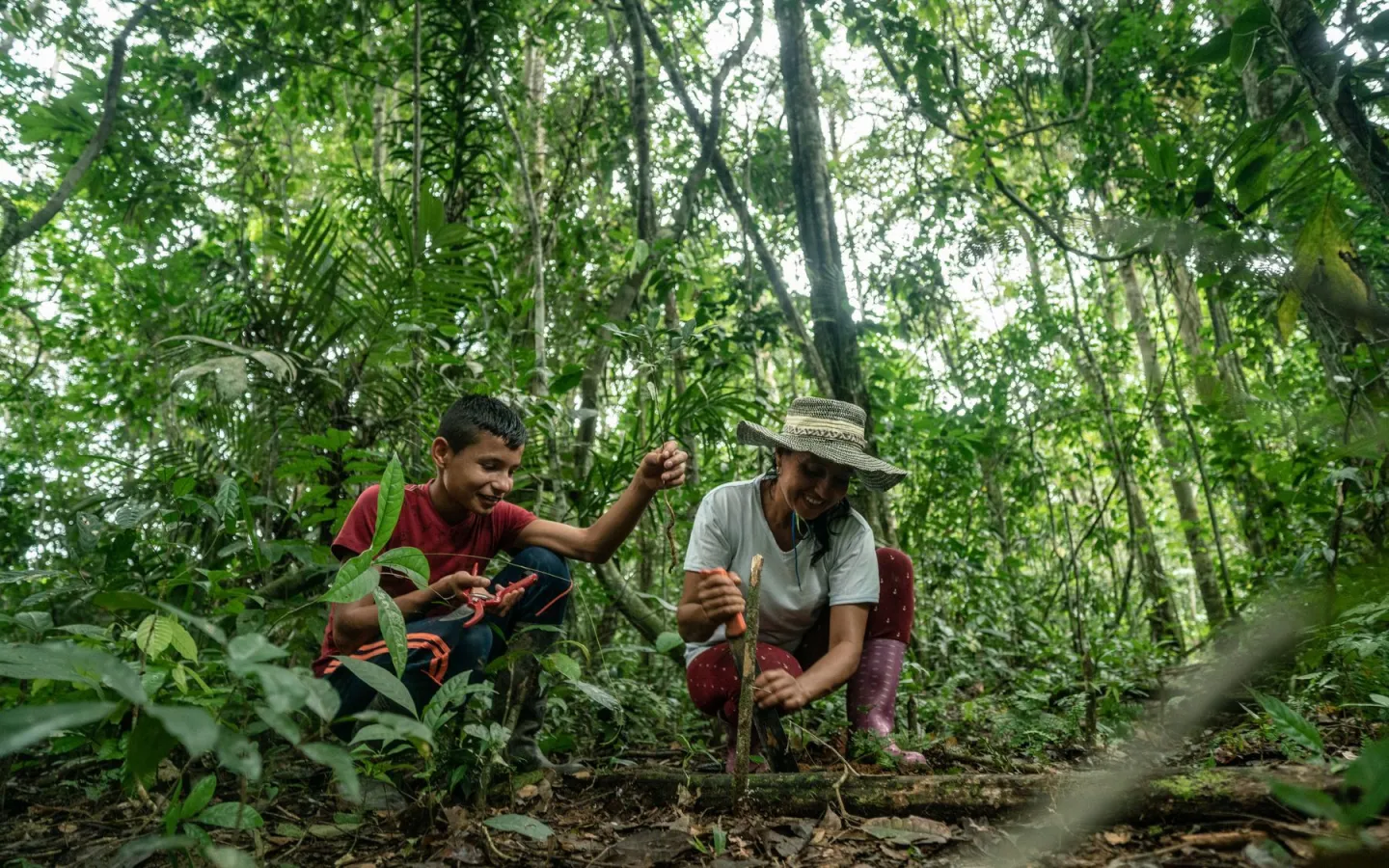
This region not only provides food and water for people and protects them from hurricanes and tropical storms, but is also home to various cultures and languages of Mexico. As if that were not enough, it is also home to the second largest jaguar population in the country. WWF and SIG work together to restore 750 hectares of damaged forests through direct action with local communities to improve connectivity and resilience. In addition, forest management will be improved over an area of 100,000ha to ensure that croplands are permeable to wildlife and resilient to climate change.
Significant progress was made in 2025 in ecosystem restoration and biodiversity conservation in Mexico. A key milestone was the first National Summit on Ecosystem Restoration, which brought together more than 470 representatives from government, academia, the private sector, civil society, and local communities. During the summit, the national programme for restoring degraded ecosystems by 2030 was presented, and new working groups focusing on water and urban ecosystems were established.
Habitat restoration efforts were significantly expanded. Since the start of the project, a total of 465 hectares of degraded land have entered the restoration process, including through reforestation with native tree species and soil restoration measures. At the same time, local tree nurseries were strengthened, creating new income-generating opportunities for communities.
Another important focus was the promotion of sustainable livestock farming. A total of 340 training sessions on sustainable grazing and land management practices were conducted. In addition, 31 electric protective fences were installed to help reduce conflicts between livestock farming and jaguars. The positive outcomes have sparked interest among additional livestock producers.
The initiative for deforestation-free beef production was also supported and further developed. Approximately 310 livestock-farming families now participate in the certification programme, which combines sustainable production with the protection of forests and wildlife.
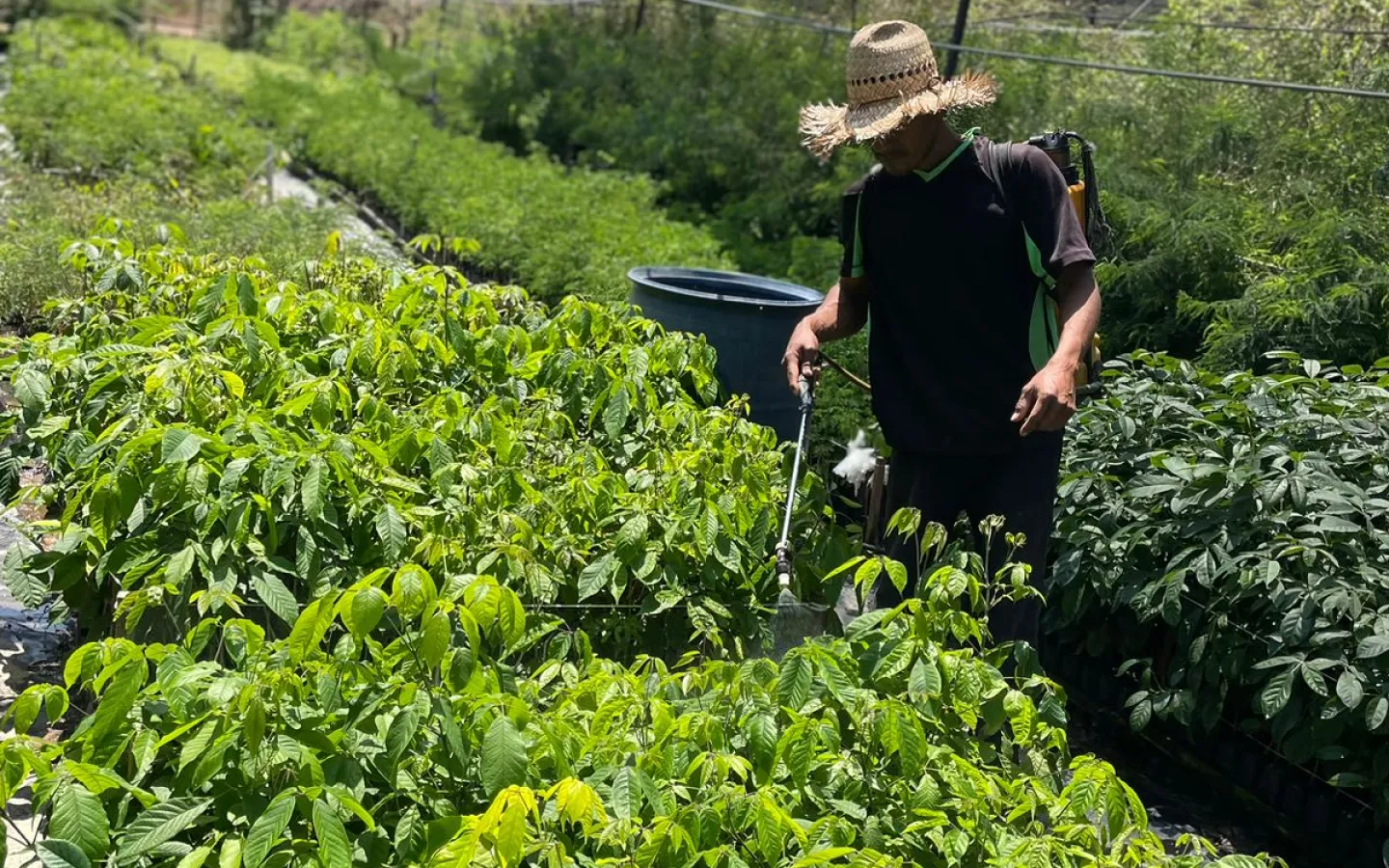
Irrigation of young seedlings in the tree nursery
To monitor biodiversity, more than 300 camera traps were deployed. The results to date have confirmed the presence of at least 39 jaguars within the protected areas surveyed and have provided valuable data to support the further development of conservation measures.
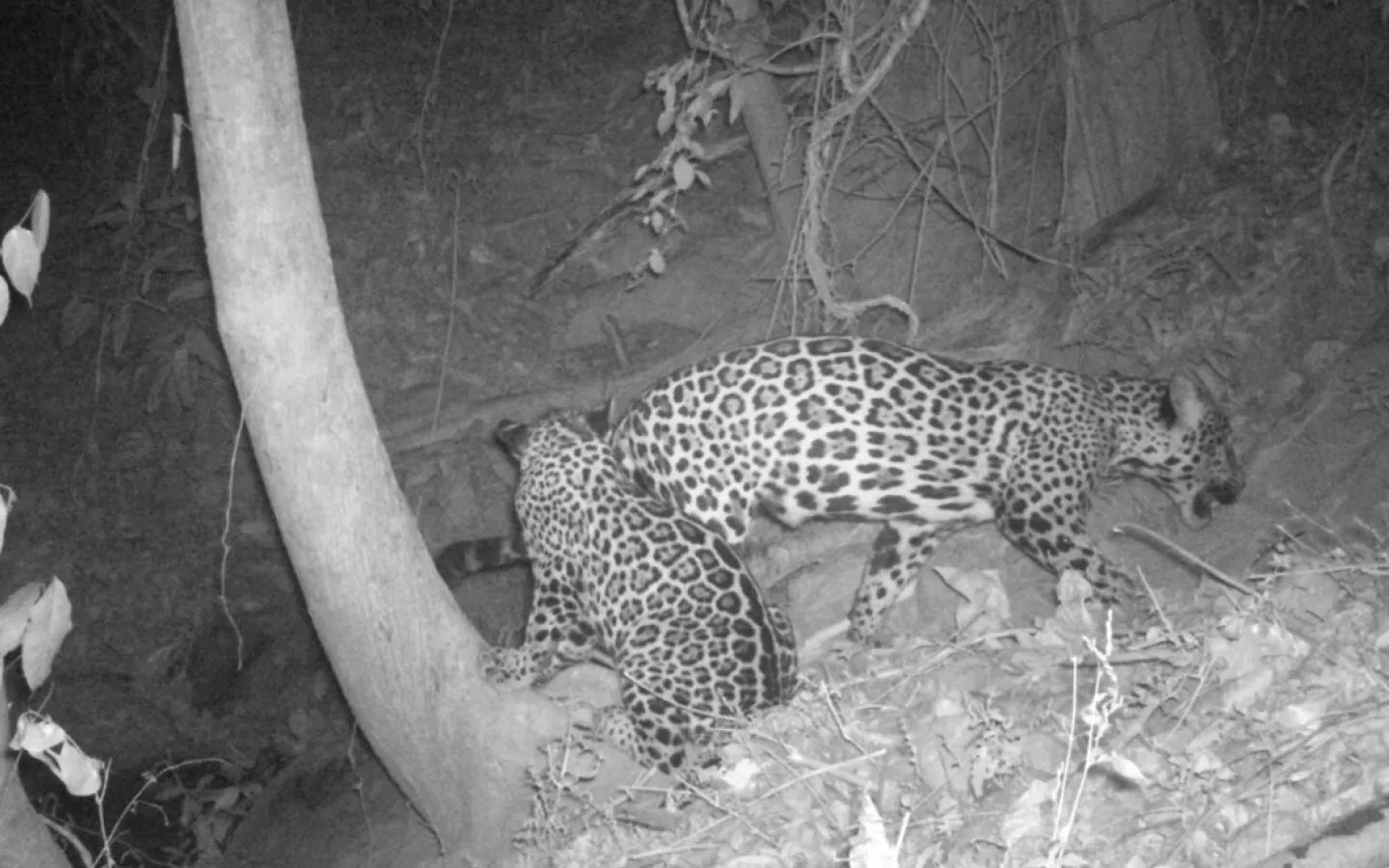
Jaguar sighting thanks to night camera trap
Alongside these activities, numerous education and knowledge-sharing initiatives were carried out with local communities to strengthen awareness of conservation issues and promote the long-term coexistence of people and wildlife.
More details about the project can be found on our project website.
Current updates on the Mexico project can be found on the WWF Forests Forward Platform.
MALAYSIA: Protecting Biodiversity in Ulu Muda
Malaysia is home to some of the world's oldest and most biodiverse lowland forests. Unfortunately, deforestation, conversion to oil palm or rubber plantations, climate change, and human-wildlife conflicts threaten forests and biodiversity across Malaysia. Together with WWF Switzerland and SIG, WWF Malaysia is working on this project to preserve one of the country's many important forest ecosystems.
The year 2025 was marked by significant progress and important achievements for the Ulu Muda project. Despite some challenges, key foundations were established to support the long-term conservation of this unique forest landscape.
A particularly important achievement was the documentation of several wildlife species, including the Malayan sun bear, the clouded leopard, and the Asian elephant. These findings confirm the region’s exceptional ecological value and provide important insights for future conservation measures.
At the same time, collaboration with government authorities was further strengthened. A major milestone was the official endorsement by the Kedah State Government to jointly develop measures for the sustainable management of a critical water catchment area – the Ulu Muda Forest Complex. This recognition further established WWF-Malaysia as a trusted partner in safeguarding the region’s natural resources.
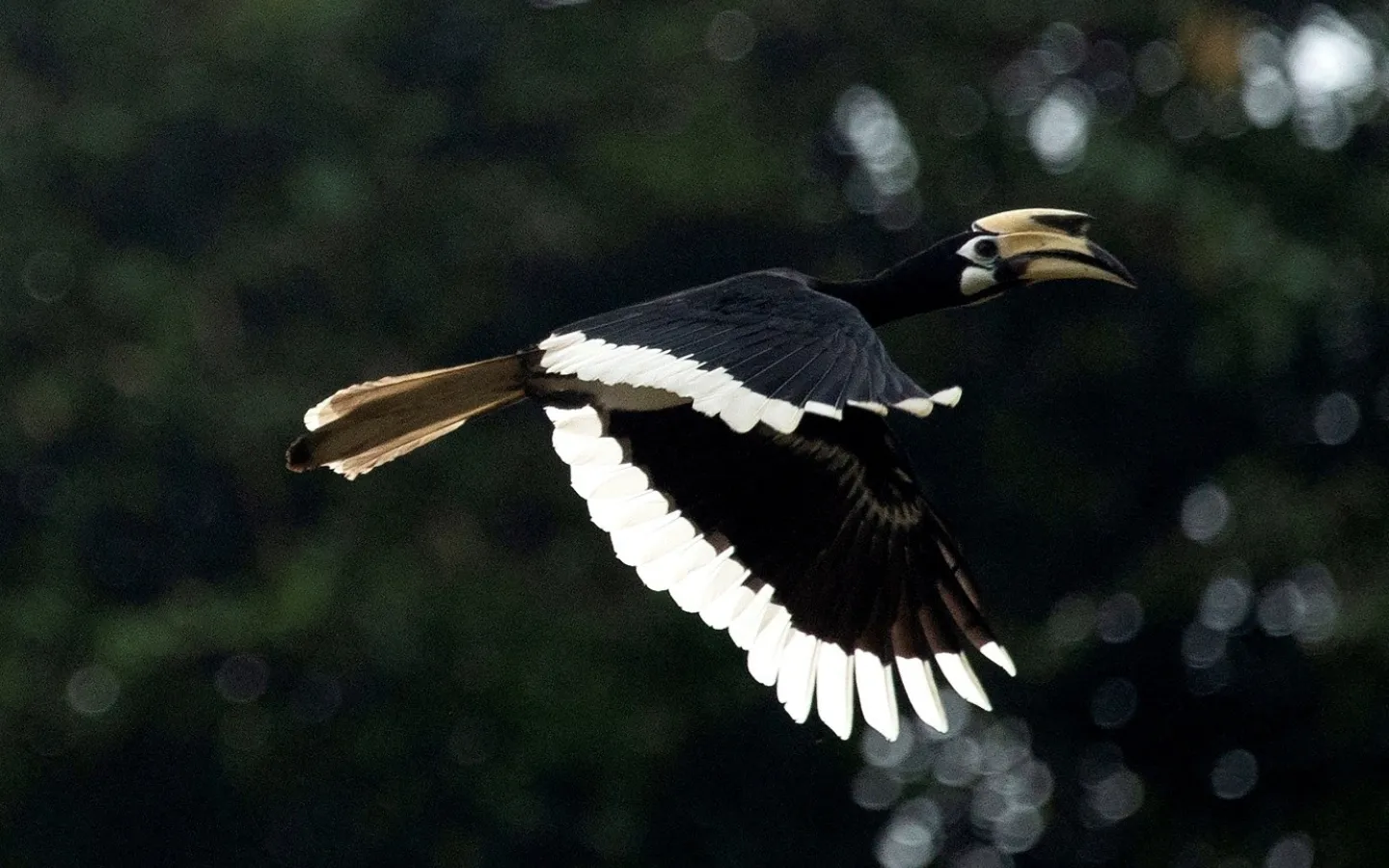
Hornbill (Anthracoceros albirostris)
The engagement of local communities was also successfully expanded. During a large community event, more than 500 people, together with numerous government agencies and organisations, came together in support of forest conservation. The event helped raise awareness of the importance of Ulu Muda and further strengthened local commitment to protecting the area.
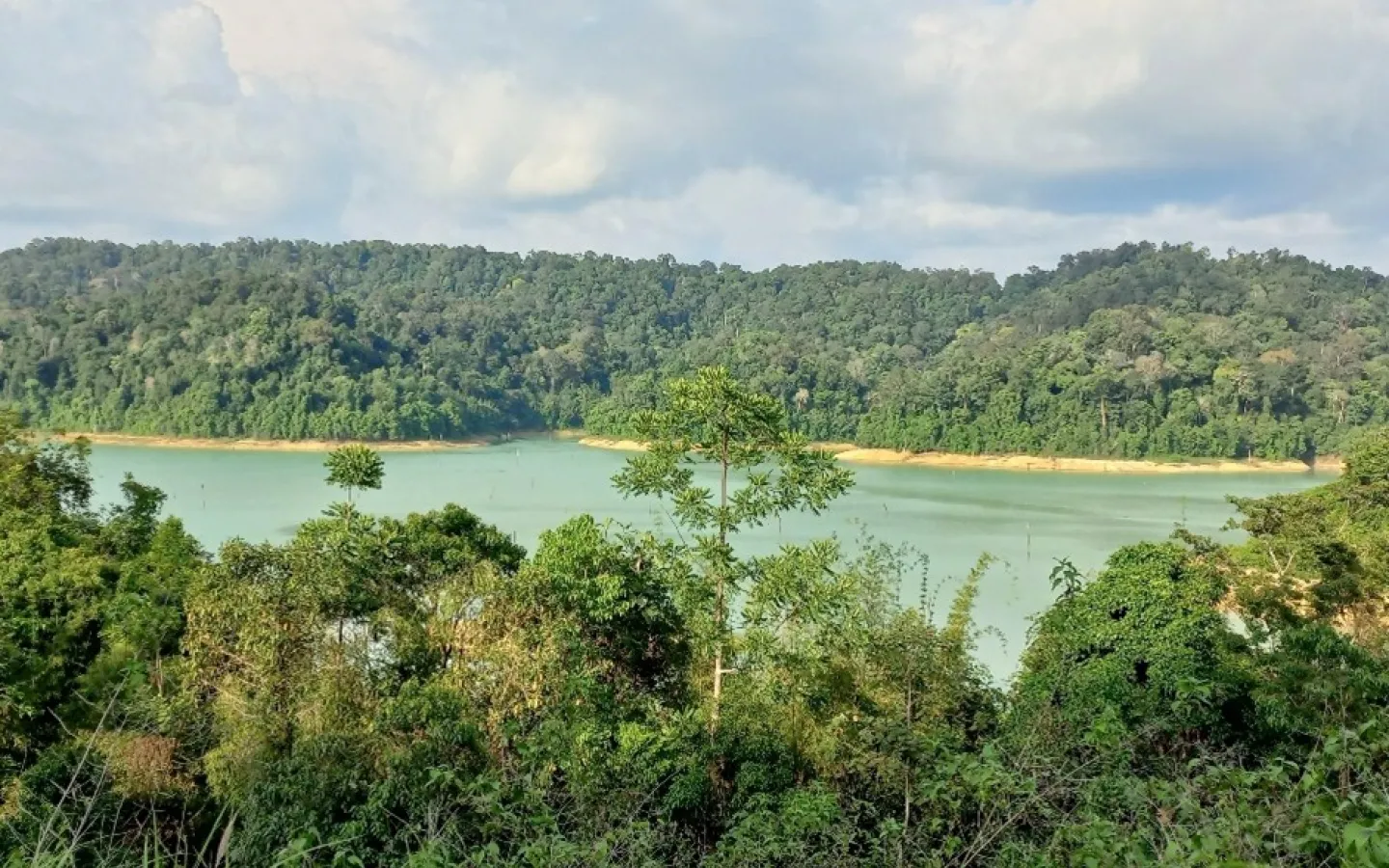
Pedu Reservoir in the Ulu Muda Forest Complex
Overall, the project achieved important progress in 2025 in biodiversity conservation, the sustainable management of water resources, and collaboration with local communities and government authorities. These accomplishments have created a strong foundation for scaling up the project’s positive impacts in the years ahead.
Current updates on the Malaysia project can be found on the WWF Forests Forward Platform.
THAILAND: Protection and Connectivity of Important Forest Landscapes
Thailand has diverse forest landscapes, ranging from tropical rainforests to deciduous forests and mangroves, which host a rich biodiversity. However, the country faces significant deforestation due to agricultural expansion, illegal logging, and infrastructure development. In recent years, Thailand has committed to protecting 30% of its land and waters by 2030.
In 2025, significant progress was made in the priority landscapes of the Mae Ping Corridor, Lower Songkhram River Basin, Kaeng Krung National Park, and Thap Lan National Park in the protection, restoration, and sustainable management of forest and wetland ecosystems.
A key focus was the strengthening of community-based conservation structures. More than 13 community forests were engaged in participatory planning and management processes. Across the project areas, numerous consultations, training activities, and governance measures were implemented, enabling local communities to further expand their role in biodiversity conservation and natural resource management. A particularly notable achievement was the agreement of eight communities in the Mae Ping Corridor and one pilot area in the Lower Songkhram River Basin to pursue recognition as Other Effective Area-based Conservation Measures (OECMs).
Watch the short video about the Thailand project:
Camera trap footage of a tiger with 3 cubs in this latest image.
Important milestones were also achieved in the expansion and protection of conservation areas. In the proposed Doi Soi Malai National Park and the expansion zone of Lan Sang National Park, camera traps confirmed the presence of numerous threatened species, including pangolins, dholes, and leopard cats. For the first time, the tiger known as “Gamma” was also recorded, highlighting the area’s importance as a wildlife corridor. More than 1,500 people participated in consultations and engagement activities related to the protected area designation process.
The restoration of degraded forest and wetland habitats was significantly scaled up. In the Mae Ping Corridor, more than 7,000 seedlings were distributed for agroforestry systems, and approximately 32 hectares of degraded forest were restored within Mae Tuen Wildlife Sanctuary. In the Lower Songkhram River Basin, communities identified more than 1,100 hectares of priority restoration sites and produced approximately 9,000 locally adapted seedlings in community-run nurseries for the restoration of dry, riparian, and floodplain forests. In Kaeng Krung National Park, a further 10,000 seedlings were prepared for future reforestation activities, while initial restoration measures and habitat enhancement efforts were implemented.
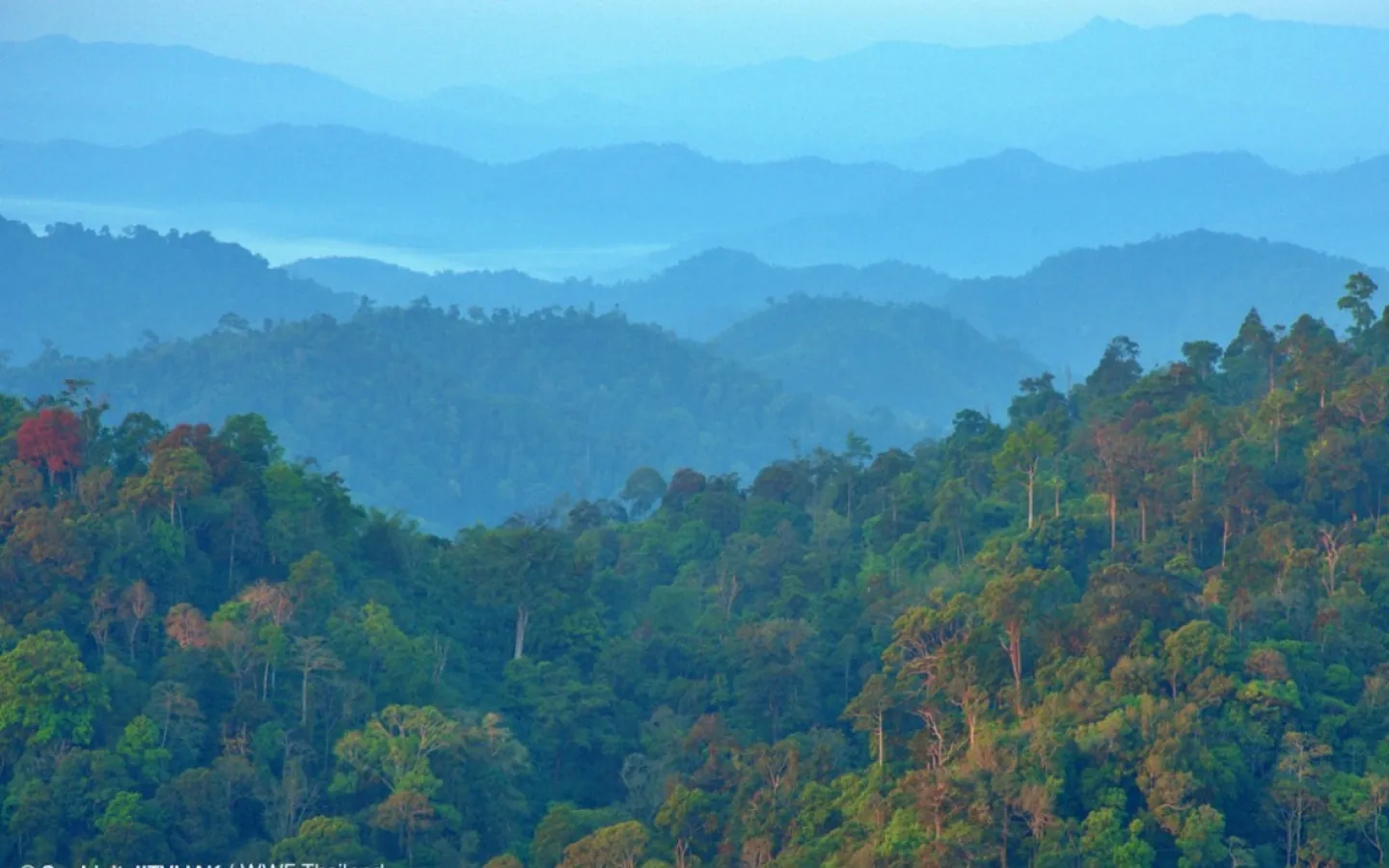
Khao Krachom
To strengthen biodiversity monitoring, more than 130 camera traps were installed across protected areas and community forests. The images recorded a rich diversity of wildlife and provided valuable information to support protected area management, OECM recognition processes, and restoration planning. In addition, rangers, protected area staff, and community representatives received training in biodiversity monitoring, SMART patrolling, and data collection methods.
Another important focus was reducing human–wildlife conflicts. In Thap Lan National Park, approximately 16 hectares of grassland were restored to provide feeding grounds for elephants and other wildlife. Monitoring data indicates increased use of these areas by both elephants and tigers. At the same time, rapid response teams, community groups, and rangers were strengthened through training, drone technology, and equipment to help detect and mitigate issues such as crop damage caused by elephants at an early stage. In addition, the Pha Men Operations and Conservation Learning Centre was completed and will serve as a regional hub for conflict management, training, and knowledge exchange.
The project also supported the development of sustainable livelihood opportunities for local communities. Activities included the expansion of agroforestry systems, support for fish-processing groups, training in product development and marketing, the conversion of invasive aquatic plants into compost, and the development of nature-friendly tourism initiatives. These measures help strengthen the economic resilience of local communities while creating long-term incentives for the conservation of valuable natural resources.
