
Newsletter - Content of issue 3/26
How inclusive conservation can succeed
Projects designed by local organisations and equal partnerships form the basis for the long-term impact of nature conservation. However, in practice, requirements relating to accountability and project management often result in partnerships becoming one-sided. A pilot project by WWF and the Colombian organisation ASOMI highlights ways to overcome this situation.
By Sue Furler, Programme Manager for Inclusive Conservation, WWF Switzerland
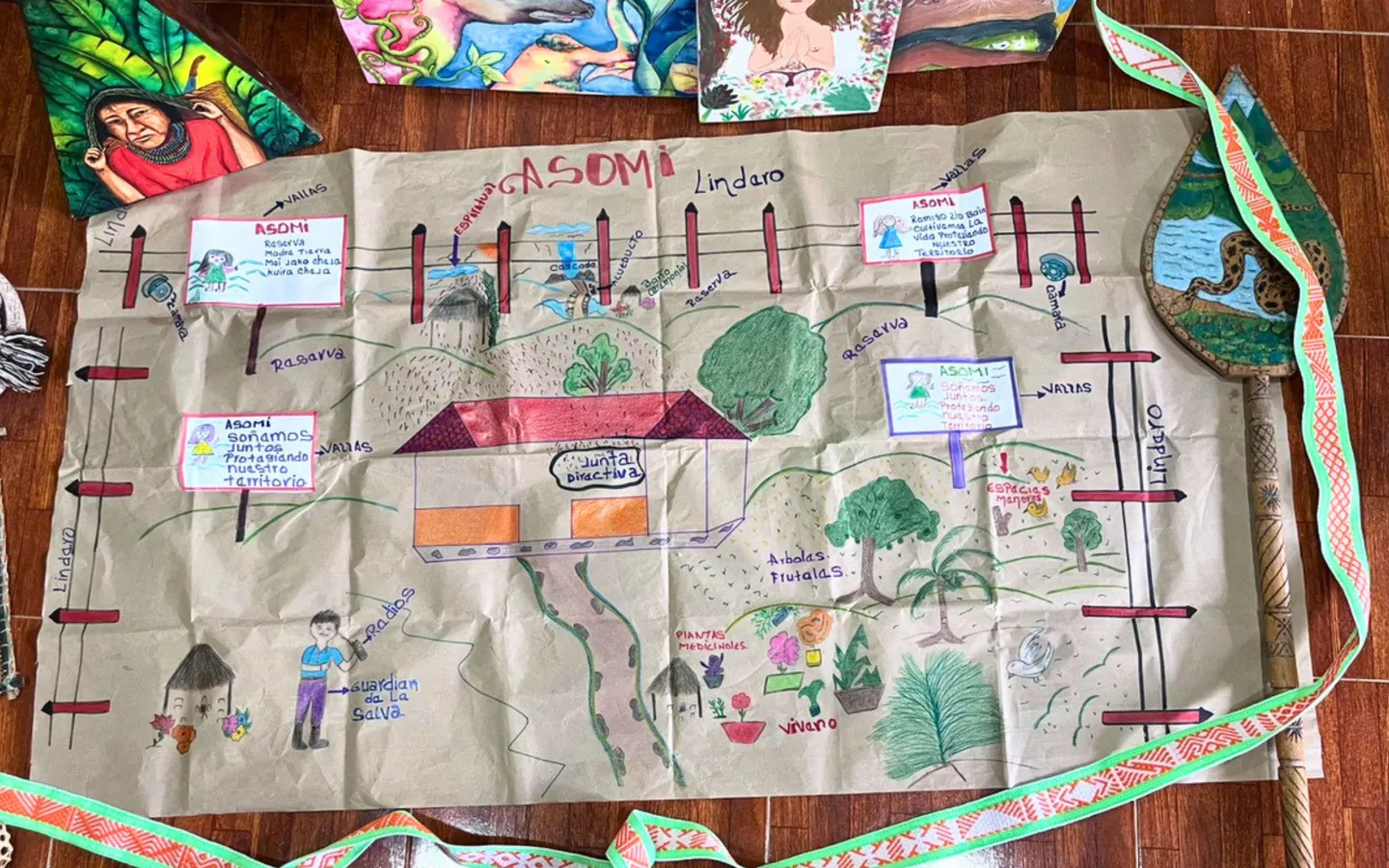
The project proposal does not arrive at WWF Colombia via email. Nor is it a highly technical document peppered with Excel spreadsheets, but rather a sketch on packing paper. It outlines what the indigenous women of ASOMI hope to achieve. At the centre of the sketch is a simple house, surrounded by trees, people, a medicinal plant garden, springs and a fence. It lies on the grounds of ASOMI’s community centre, surrounded by indigenous women and WWF staff: rather than an email laden with attachments travelling from the Amazon to the capital, Bogotá, people made the journey in the opposite direction.
‘Sometimes we feel as though we are working to achieve the donors’ objectives, not our own.’
A sketch rather than a formal project proposal
The project outline highlights the current state of the 53-hectare area owned and protected by ASOMI, and explains the challenge the 65 women of ASOMI aim to tackle: uncontrolled settlement and repeated seizure of land in their region around the municipality of Mocoa in south-western Colombia. A fence is to be built to protect the ASOMI reserve from this. In addition, the women want to improve the soil in their medicinal plant garden.
(→ Read on from email) Nature conservation, carried out on an equal footing and led locally, is essential for achieving long-term impact. But how can this be put into practice? During a workshop, the ASOMI women noted, ‘sometimes we feel as though we are working to achieve the donors’ objectives, not our own,’ adding that ‘the needs of local communities must take centre stage, not those of the donors’.
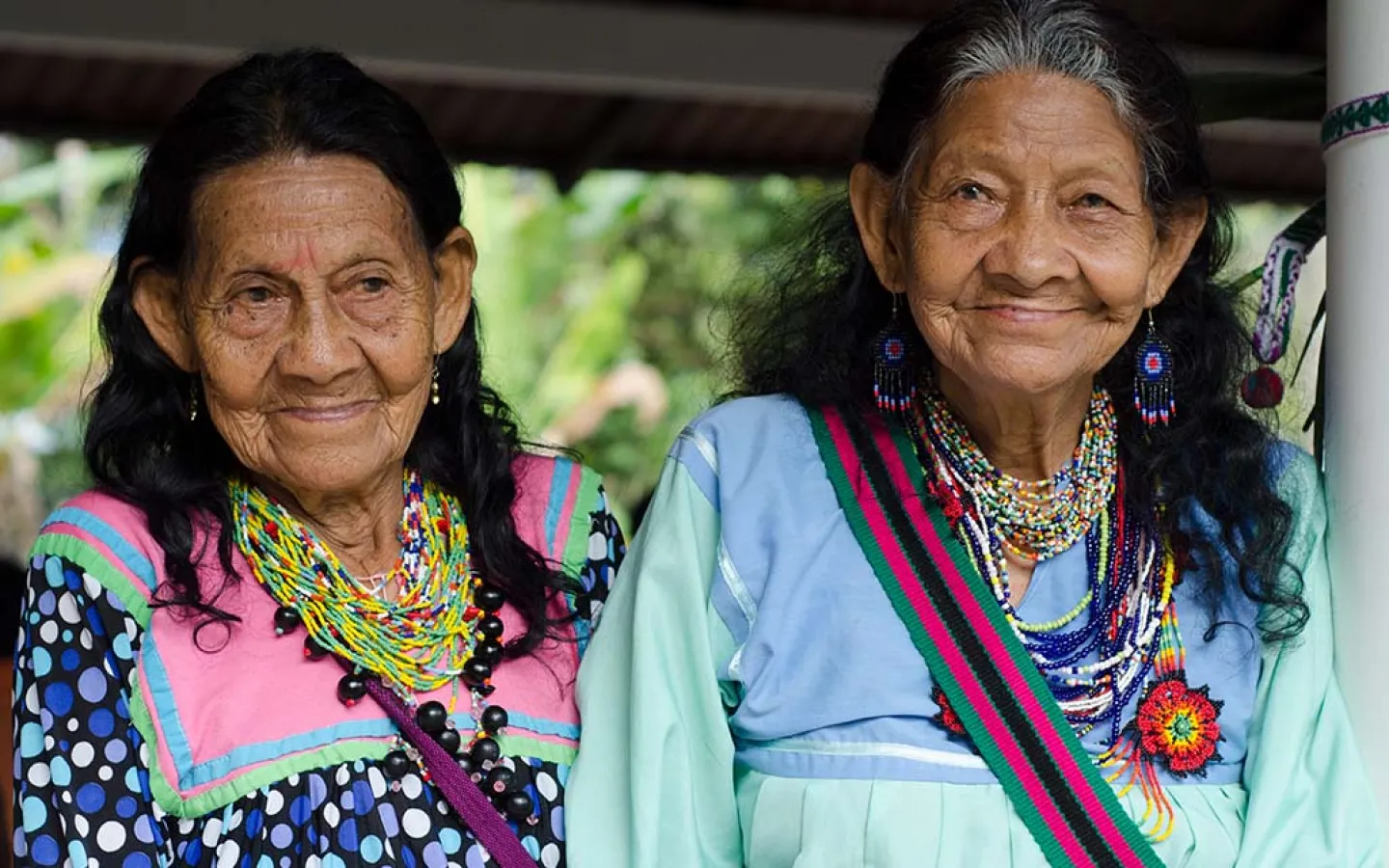
Two members of ASOMI. © https://mujeresasomi.org/
The pilot project was initiated by WWF Colombia in collaboration with WWF International’s experts on inclusive conservation. WWF Switzerland is providing the funding. The primary aim is not a conservation programme, but a joint learning process between WWF and ASOMI. WWF will still need to meet its donors’ requirements; it wants to continue ensuring that conservation projects achieve their set objectives.
‘The challenge lies in creating something new,’ says Juan José Rodríguez, finance manager at WWF Colombia, ‘we’re all reluctant to prepare a financial report, but there are templates and guidelines we keep using, for better or worse. But what if we want to do something different? We no longer have that path.’
A shared learning experience
WWF Colombia deliberately involved staff from operations in the pilot project so that the organisation could consider how locally led conservation can be better reconciled with the requirements of an international NGO. ASOMI was chosen as a partner because it had previously been sceptical about approaches and requirements of international NGO's, including the WWF. However, the women were won over by this joint learning process.
‘Building trust has been a dialogue focused on finding common ground, without exerting power dynamics. The first time we met, ASOMI was very open to sharing their story and getting to know us – that builds trust.’
Over 20 years ago, women from five communities in the Colombian Amazon founded ASOMI. They preserve traditional medicine, the knowledge associated with it, and the plants required for its practice. They support the ‘mamitas’ – the older women and bearers of traditional knowledge – in passing on their medical and botanical knowhow to the younger generation. They wish to manage their territory autonomously, to defend it, and strengthen the role of indigenous women.
The women of ASOMI do not see themselves as an organisation in the traditional sense, but rather as a network of relationships, experiences and knowledge that evolves and strengthens the communities represented by the organisation. This ‘process of life’ is important, says ASOMI’s president, Paola Chindoy: ‘We need to move away from focusing on projects.’
ASOMI and WWF set out to combine accountability reports, budgets and project cycles with indigenous knowledge, ways of life and living networks in such a way that both organisations could meet their requirements. To this end, WWF’s financial specialists, lawyers and other experts travelled to the community centre in Mocoa on several occasions. The indigenous women invited the visitors to get to experience their world and their perspective. They performed spiritual rituals with them, in which drinks made from medicinal plants played a part, or organised a game involving the interpretation of traditional woven patterns – symbolising of how the same things can be viewed in different ways. ‘Building trust has been a dialogue focused on finding common ground, without exerting power dynamics,’ explains Alexis Daza, Accounting Coordinator at WWF Colombia. ‘The first time we met, ASOMI was very open to sharing their story and getting to know us – that builds trust.’
Contracts put to the test by the mamitas
Some ASOMI members had already been involved in project work with international organisations. In the project with WWF, however, women who had no such experience and were unaccustomed to reading and writing were deliberately brought on board – for example, some ‘mamitas’, who are so important to indigenous communities and their collective memory. Their role was to assess how (un)understandable contracts and other WWF documents were. As a result, texts were simplified, adapted and shortened. ‘If you draw up contracts and they aren’t clear, they’re no good,’ says WWF attorney Juan Carlos Guasca.
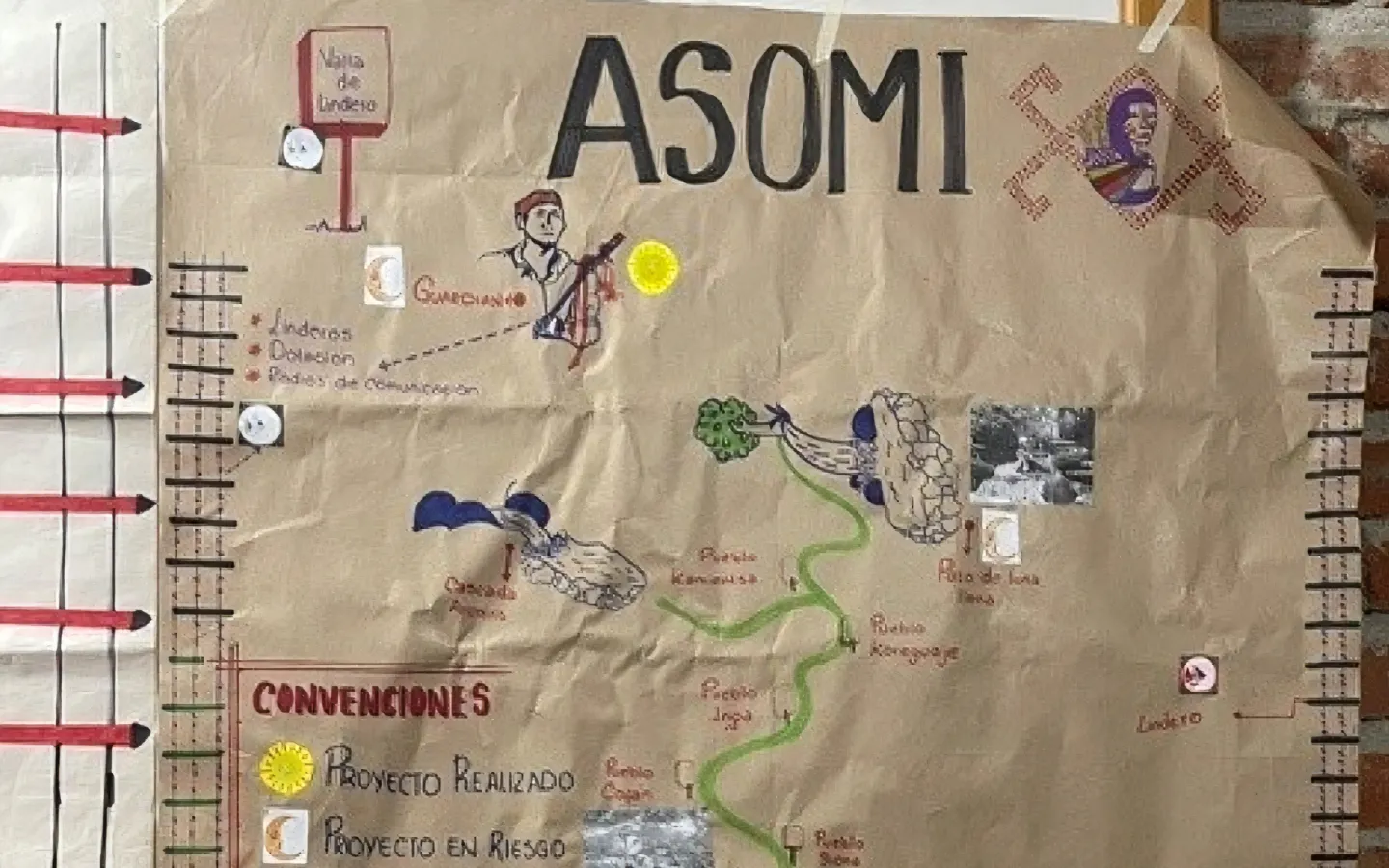
The project status as a sketch.
A wide range of aspects were examined, from WWF’s project cycle and project application format to budget and monitoring. This led, for example, to the creation of the aforementioned sketch as an alternative to a traditional project proposal. The sketch reflects the working methods of indigenous communities, which seek solutions collectively and record them in a multidimensional, visual way rather than in a linear text. The pilot project’s budget allocates funds to implement the outlined project idea.
Flexibility rather than constraints
Instead of a budget organised by cost categories, ASOMI developed a structure based on the community’s activities and objectives. Consequently, the focus has shifted from bookkeeping to the purpose for which the funds are used. At the same time, it highlights contributions that often remain invisible in conventional funding models – for example, compensation for the time and knowledge of the spiritual guides who accompany the discovery process. This flexibility appeals to ASOMI’s president, Paola Chindoy: ’As organisations, we’re so mired in our rigidity that we lose our humanity.’
These elements of project management and collaboration were redesigned in the ASOMI-WWF pilot project:
Planning as a collective process
The women of ASOMI combined the project project management phases with their own approach, which is modelled on the farming production cycle: preparing the soil, selecting the seeds, sowing, tending the plants and harvesting. Their project proposal did not take the form of a written application, but rather a cartographic sketch. This illustrates how the women of ASOMI understand their territory, which relationships are important to them and what priorities they set. Knowledge is not described in a linear fashion but is developed collectively and presented visually. A translation of the sketch is produced for funders.
Clear agreements
The cooperation agreement was revised jointly. Complex legal language was simplified, content was condensed and responsibilities were distributed more evenly.
Budget as an expression of priorities
Instead of a budget organised by cost categories, the women of ASOMI developed a structure based on their activities and objectives. As a result, the focus is no longer on bookkeeping, but on the purpose for which the funds are used.
Monitoring through symbols
Progress is not recorded in tables, but in sketches and symbols: a sun for ‘achieved’, a crescent moon for ‘in progress’, and a full moon for ‘pending’. This approach allows the project’s status to be interpreted across language and educational barriers.
Financial accountability with a focus on objectives
The financial report did not focus on adherence to individual budget items, but on the question: what impact did the resources used have? Financial accountability reports can take various forms; what matters is not the form, but transparency and clarity.
However, practices in conservation and development cooperation as well as the standard formats for applications, reports and budgets are changing only gradually. This is where WWF has a mediating role to play in making relationships more symmetrical. Its staff must listen, engage with traditional ways of working and act as interpreters in both directions – for indigenous communities in the Amazon and for donors in the capital cities. For example, some ASOMI women and WWF staff members have translated the project sketch into a proposal to meet the donors’ requirements while remaining true to the project’s original spirit.
A one-off pilot project is not enough to dismantle established power structures and processes that have been in place for decades. An exercise to which the ASOMI women invited the WWF team demonstrated how this might be achieved: weaving a traditional basket together. Step by step, the women demonstrated the technique, offered patient guidance and encouraged the participants to find their own rhythm. A perfect basket – the optimal result – does not come about simply by assigning tasks and monitoring outcomes. It requires good support: being present, sharing knowledge, providing guidance and supporting people without taking responsibility away from them.
Knowledge takes many forms
Written reports are just one option. Images, stories, rituals and collective reflection are equally valid, but often need to be translated in order to meet institutional accountability requirements.
Risks are weighted differently
For international organisations such as WWF, financial, legal and reputational requirements and risks play a significant role. This perspective shapes many control and reporting systems. For ASOMI, the key risks lie elsewhere: in the loss of traditional knowledge, threats to their territory and the weakening of community structures. There is also a risk that external requirements will override local priorities and that organisations will be forced into roles that do not align with their own vision.
Control and trust are interlinked
Many control mechanisms are put in place with the aim of minimising risks. This can be interpreted as a vote of no confidence and thus undermine trust. The pilot project confirmed that responsibility can be shared and trust can be actively built.
Roles are changing
In the pilot project, WWF took on the role of a mediator between systems, between institutional requirements and local forms of knowledge and organisation. The primary aim was not to implement predefined processes, but to build bridges and act as an interpreter.
A pilot project as a starting point for more
The basket-weaving exercise also makes one thing clear: a pilot project does not provide a ready-made formula; it is a starting point for building more balanced partnerships. Many questions remain unanswered:
- How can such approaches be scaled up?
- What institutional requirements are necessary, and where is there scope for manoeuvre?
- How can funders be more closely involved in this discussion?
The pilot project has demonstrated, through concrete examples, that there are answers to these questions. There are ways to adapt accountability requirements to local circumstances, to recognise traditional knowledge and thus enable locally led nature conservation, and to work with local organisations on an equal footing.
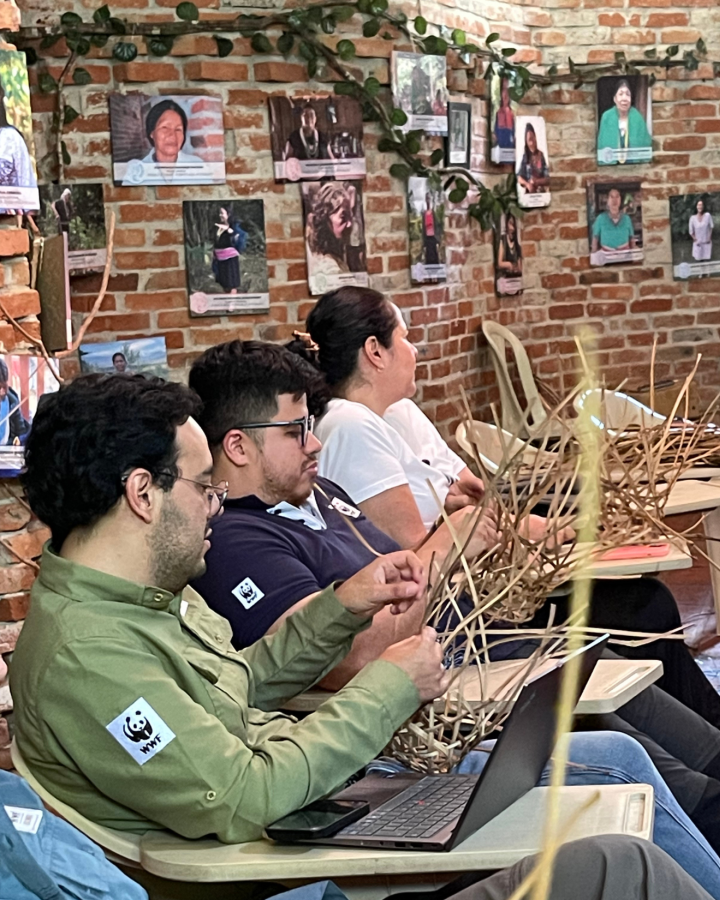
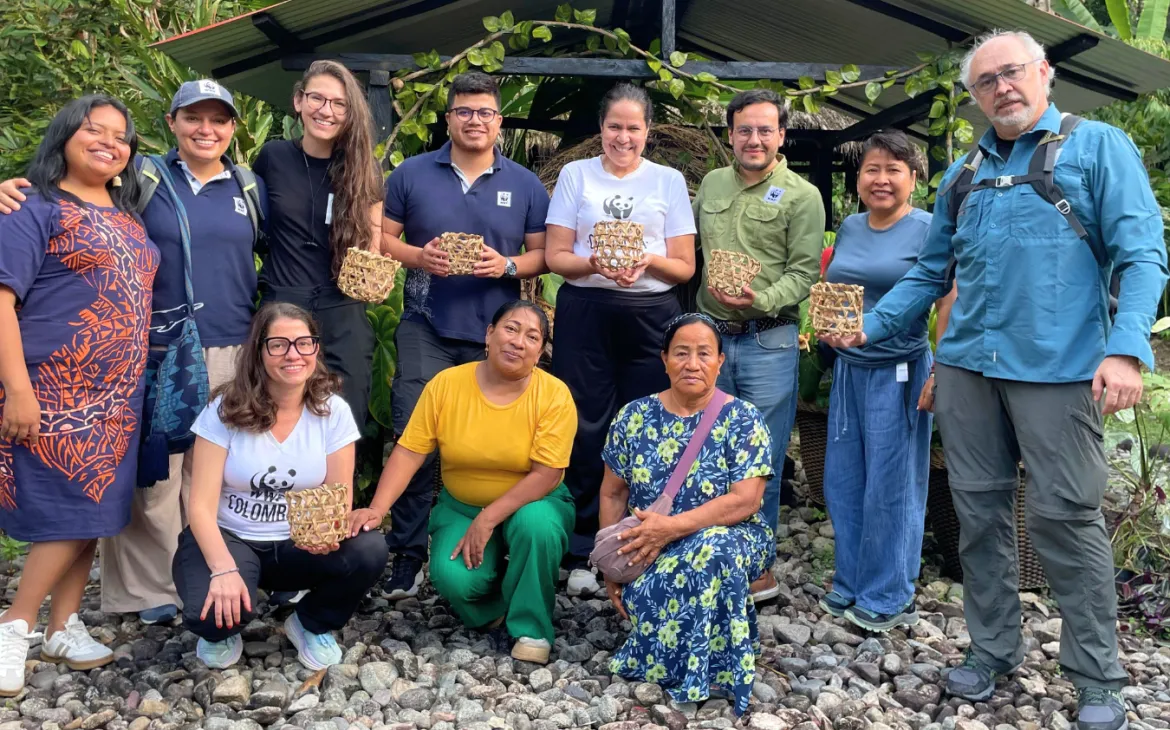
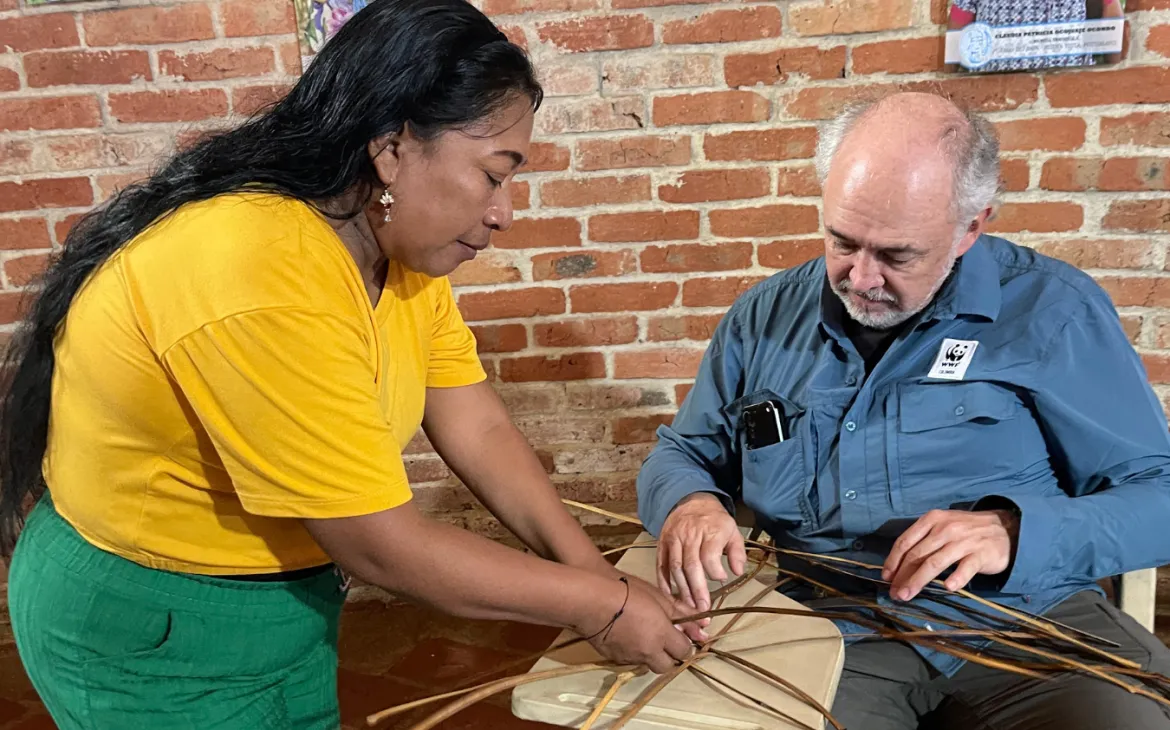
ASOMI brings together 65 indigenous women from the five peoples from the provinces of Putumayo and Caquetá in the Colombian Amazon: the Siona, Cofán, Inga, Kamëntsá and Coreguaje. The women combine different indigenous traditions, languages and knowledge systems and work together to protect the Amazon rainforest, strengthen indigenous medicine and pass on traditional knowledge. At the heart of their work lies a 53-hectare area that combines nature conservation, cultural identity and spiritual practice. Central to their work is the belief that the relationship between women, nature and life forms a fundamental basis for the protection of their homeland and the well-being of present and future generations.
ASOMI’s key areas of focus
- Protection and restoration of traditional medicinal plants and medicinal gardens (the chagras)
- Strengthening indigenous medicine and spiritual practices
- Passing on traditional knowledge to younger generations
- Promoting the role of indigenous women in the management of land and the environment
- Protection of nature, culture and livelihoods in the Amazon region
Any questions or suggestions regarding the pilot project or the topic of inclusive conservation?
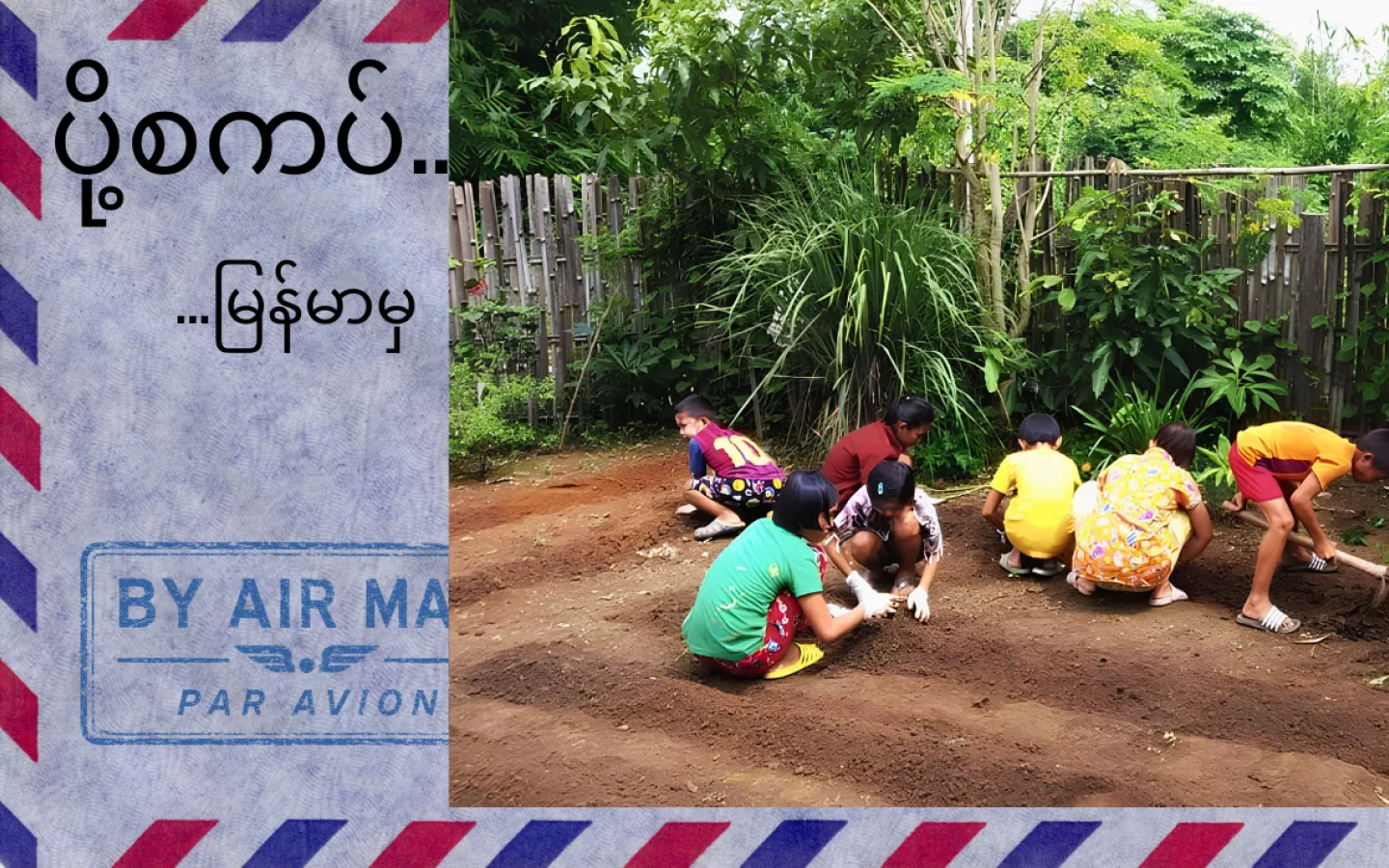
Children working in a garden of WWF Myanmar's "Green Generation Club".
Greetings from a Classroom Without Walls
A group of children are sitting on the red earth surrounded by the green leaves, stems and shoots of okra, bottle gourd and bitter melon plants. Some push additional seedlings carefully into the ground, others pluck weeds. Nan Yu Zana Soe walks from one child to the next. She shows one of them how to stabilize the bottle gourd shoots with sticks and another one how to water the vegetables in the right way.
Nan Yu Zana Soe is in her early twenties. She works as a community educator in this small village more than 600 kilometers from Yangon, Myanmar’s commercial hub. Nearby, beautiful beaches beckon, rivers meander through the hills towards the sea. Lush forests surround the village. They provide food, water, medicine, wood and timber to the farming community.
Yet, Nan Yu Zana Soe and the people in her village are confronted with a variety of challenges. In some parts of the forest trees are cut down, mines are polluting streams, and wildlife like pangolins are poached. The community depends on natural resources. Their degradation has a direct impact on livelihoods, access to clean water for example or increased erosion putting homes in danger of landslides. And in recent years, many young people in remote rural communities have experienced disruptions to their schooling.
That is where the children working and learning in the garden come in. They are members of the local Green Generation Club managed by Nan Yu Zana Soe. ‘I decided to get involved some years ago when I became aware of how nature around us was becoming more degraded,’ she says. ‘I wanted to prevent further destruction.’
WWF-Myanmar founded the Green Generation Club. In challenging times for the country, dedicated young people like Nan Yu Zana Soe keep up work for the environment and education in areas that are difficult to access. The beginning has not been easy for her and the Green Generation Club in her village. ‘When we first started, very few people wanted to participate, and many were unsure about what we were trying to do’ she recalls. ‘I, the mentors and trainers from WWF worked hard together to win their trust.’ She kept patiently working with the children and parents that did show up.
WWF-Myanmar's Green Generation Club programme is about endowing young people with the knowledge and practical skills to become environmental stewards in their communities. It combines environmental learning with hands-on activities, covering topics such as forests, biodiversity, climate change, waste management, and land degradation through tree planting, community clean-ups, wildlife observation, and ‘Water Detective’ activities that help children and families learn about local water resources.
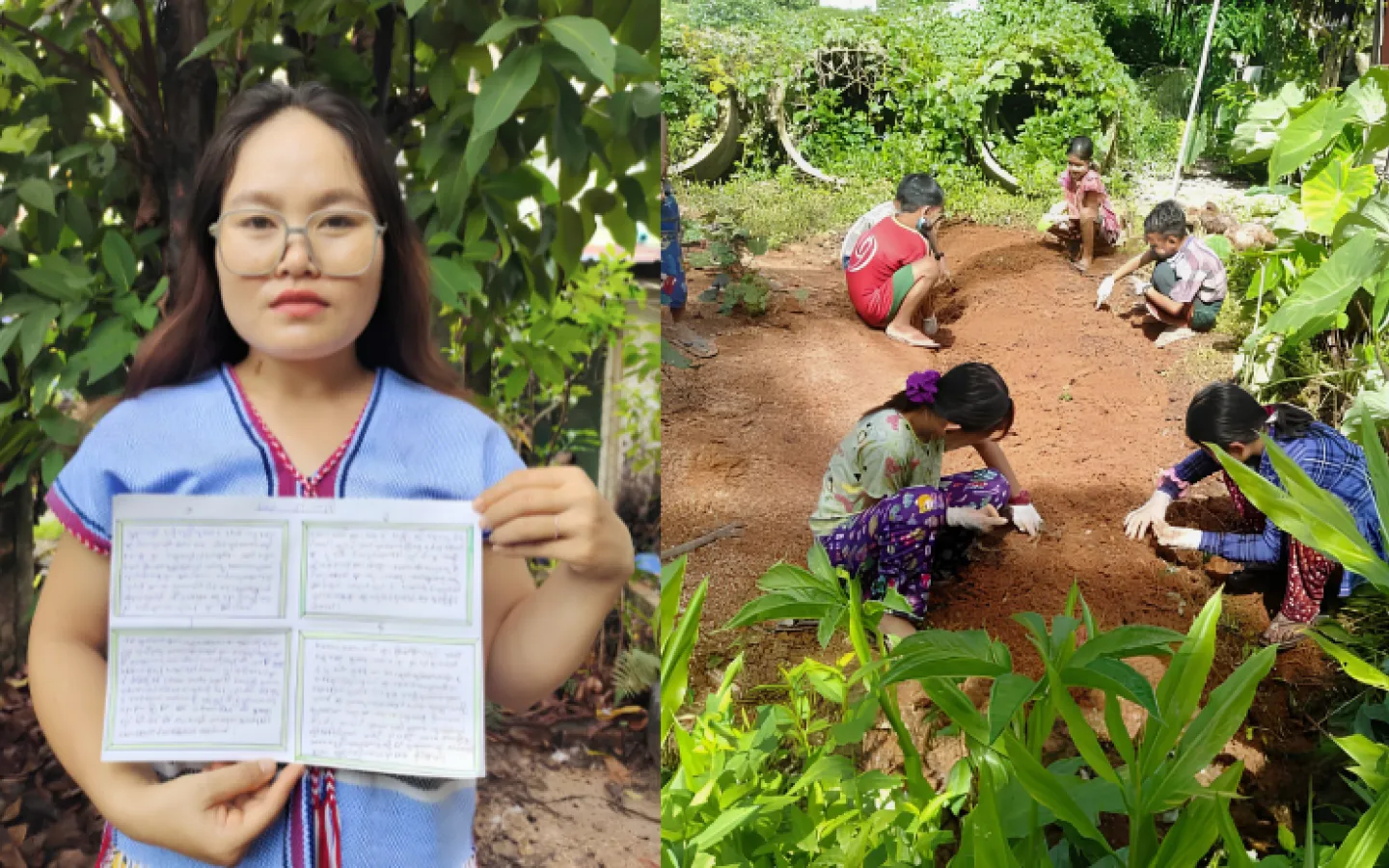
Nan Yu Zana Soe has put her experiences as a community educator in writing (left). Kids in the garden (right).
Over time, the families began to see the benefits of the activities and participation increased. ‘The community gradually came together,‘ says Nan Yu Zana Soe. ‘Seeing that change has been one of the most rewarding parts of my journey.‘ One of the most popular activities is the eco-gardens. Working in small groups, children plant vegetables, flowers, and native plants while learning about ecosystems, soil health, and biodiversity. They and their families see first-hand in these living classrooms how environmental knowledge directly improves their daily life. The gardens provide food and make conservation tangible, encouraging people to integrate environmental awareness into their everyday practices.
The children learn to take responsibility for watering and maintaining their plots, collective work culminating in annual eco-garden competitions that encourage creativity, teamwork, and environmental stewardship. In a country where access to education has become increasingly challenging, particularly in remote communities, environmental education provides opportunities not only for learning but also for acquiring leadership skills, and engagement. This helps the children to build the resilience needed to face environmental and social challenges.
Young people from the community are selected by WWF to take part in the Training of Trainers programme, where they learn about climate change, environmental protection, and disaster risk reduction. These classes are led by WWF-Myanmar’s Environmental Education team, and Nan Yu Zana Soe herself was trained through this process.
For her, success is not measured by milestones but by steady change. Children learn with confidence, families grow food sustainably, and communities begin to take practical steps to protect the forests and water sources they have always depended on. After eight years of dedication, she still believes that meaningful change happens when people work together with mutual support, understanding, and respect. In her village, that change is taking root.
Recorded by Sein Myauk Myauk, WWF Myanmar
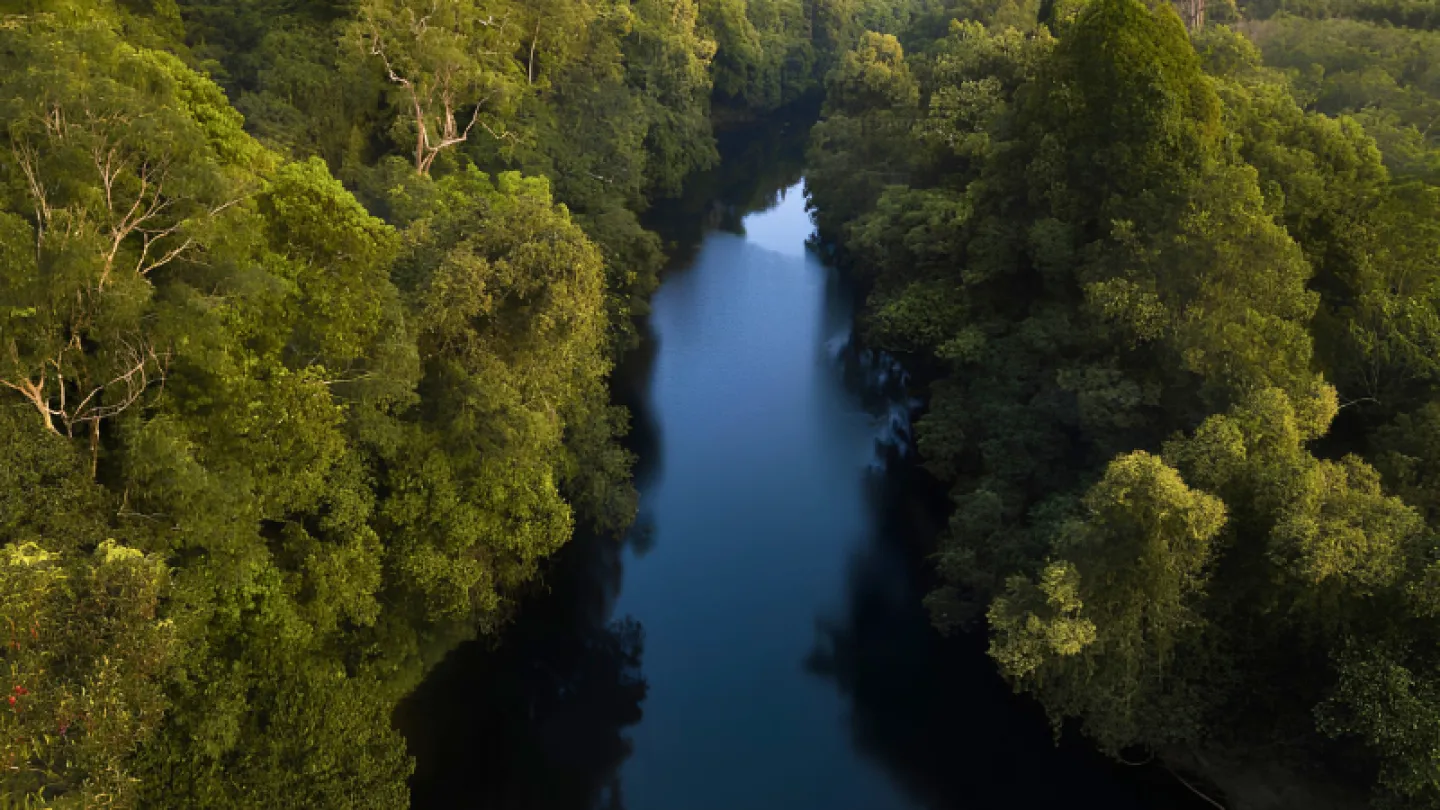
WWF Switzerland works closely together with WWF Myanmar. One of the joint projects protects the rich biodiversity in the Dawna Tenasserim landscape shared by Myanmar and Thailand (Link to project site in German).
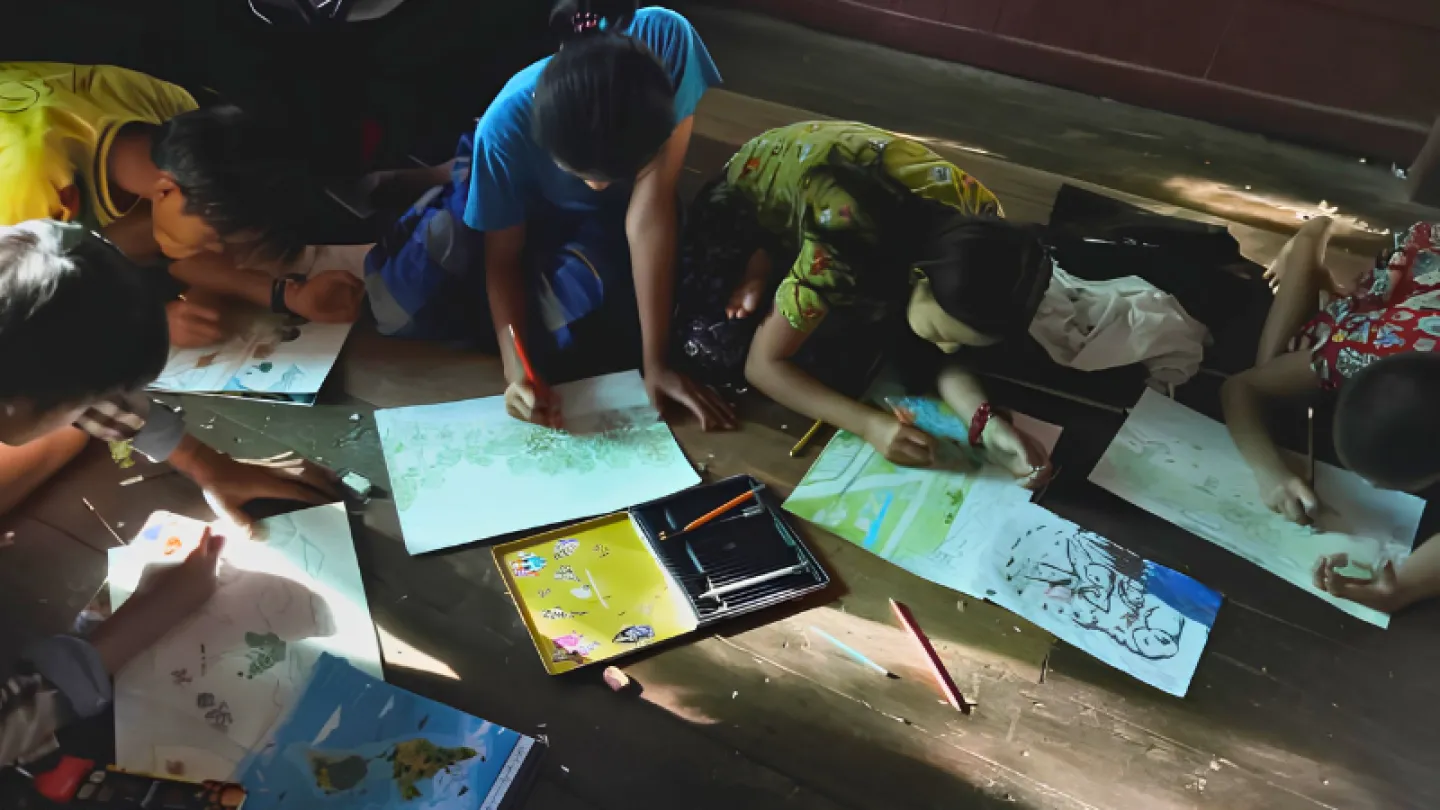
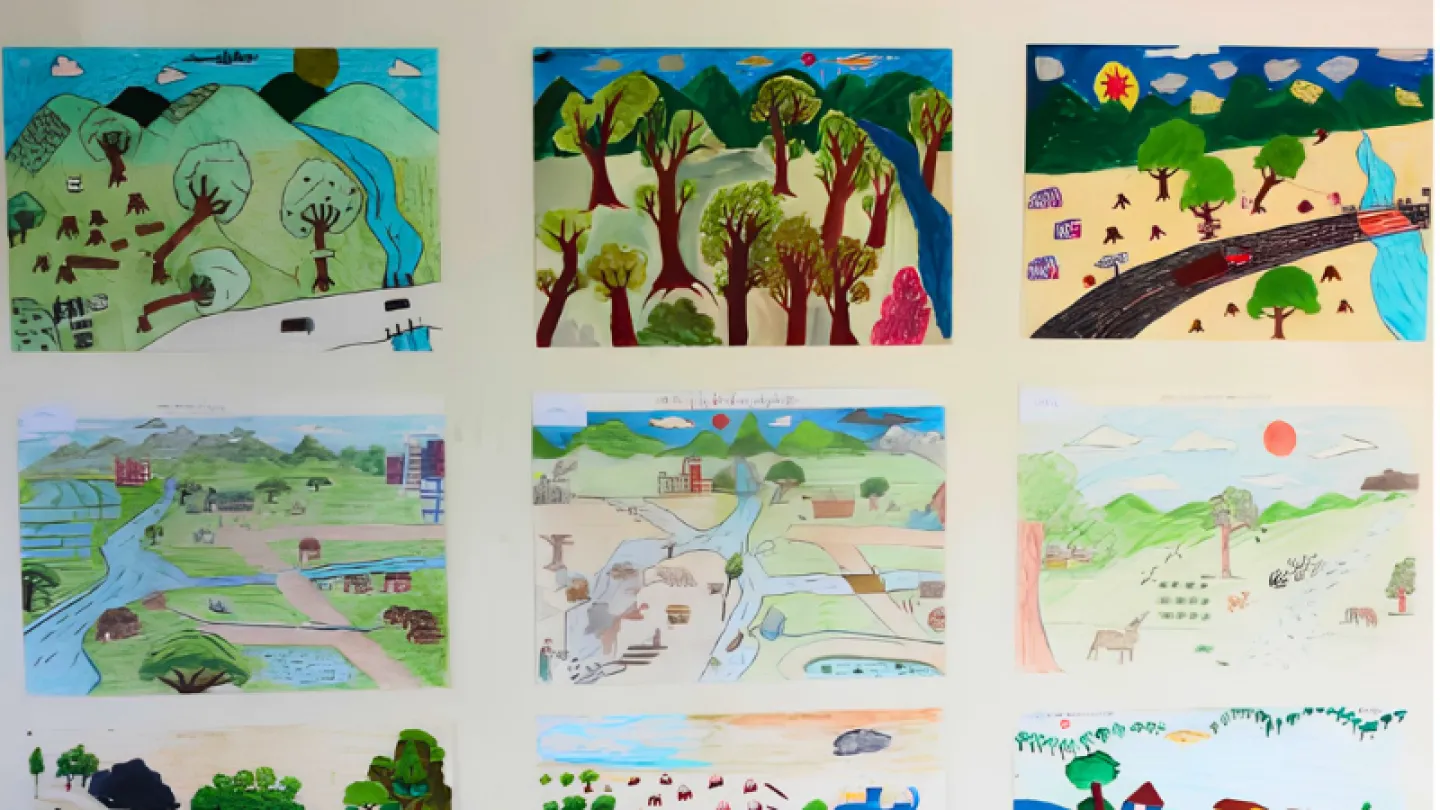
The international programme of WWF Switzerland is supported by a core contribution from the Swiss Agency for Development and Cooperation (SDC), Federal Department of Foreign Affairs (FDFA).
Have your say
How do you like our newsletter?
What would you like to see changed?
What would you like to read or discuss?
Send an mail to the editor of the newsletter
Imprint: Global Network Development (GND), WWF Switzerland
Editor: Thomas Häusler
