
Newsletter - Content of issue 2/26
Impact to the power of three
WWF Switzerland has developed a project approach to climate protection that benefits people and nature equally. This promotes long-term effectiveness and fairness. Four pilot projects form the initial portfolio of this so-called Climate and Nature Collective. They are ready to receive contributions from companies and other donors with a pioneering spirit.
By Stephanie Huber, co-developer of the Climate and Nature Collective
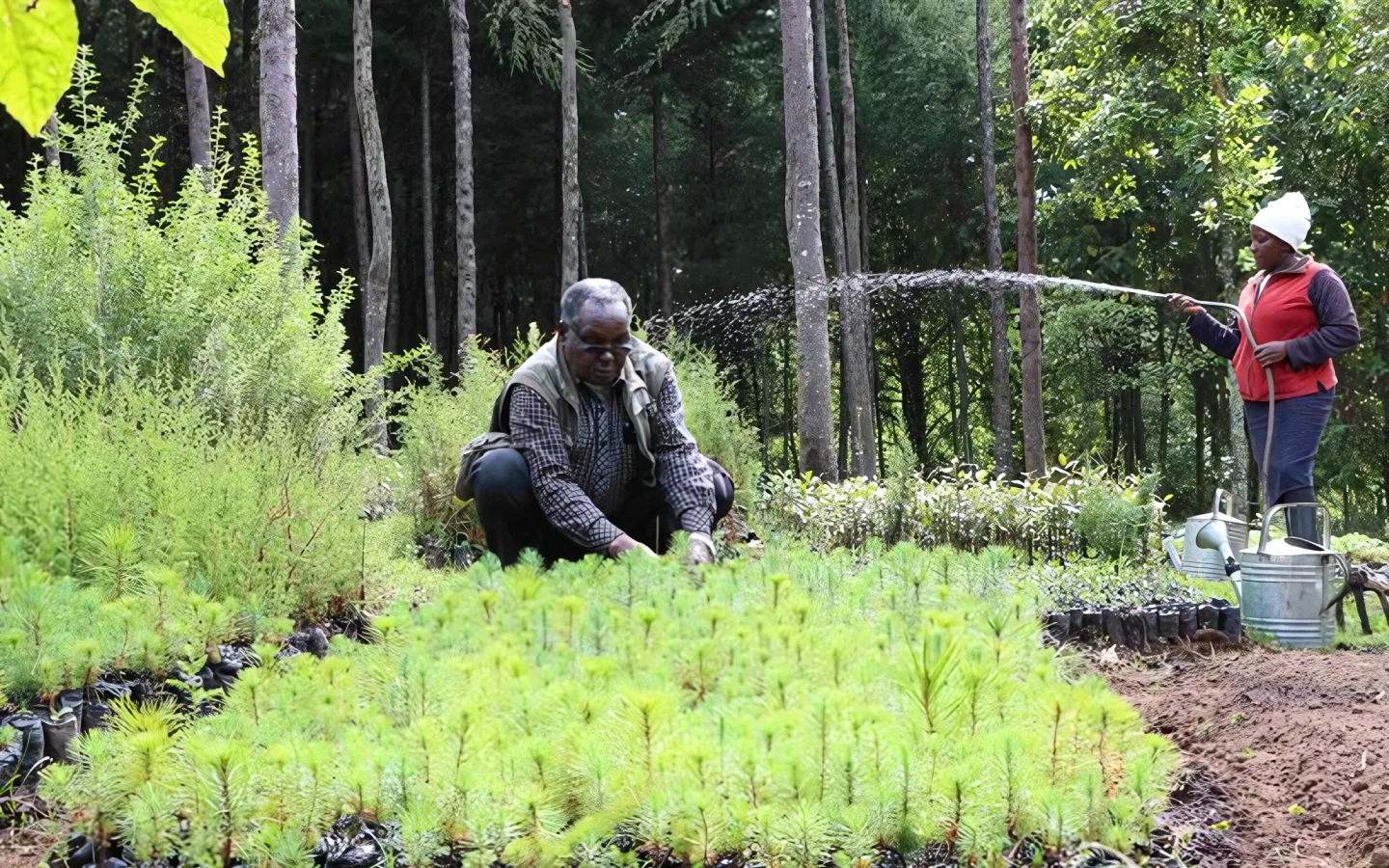
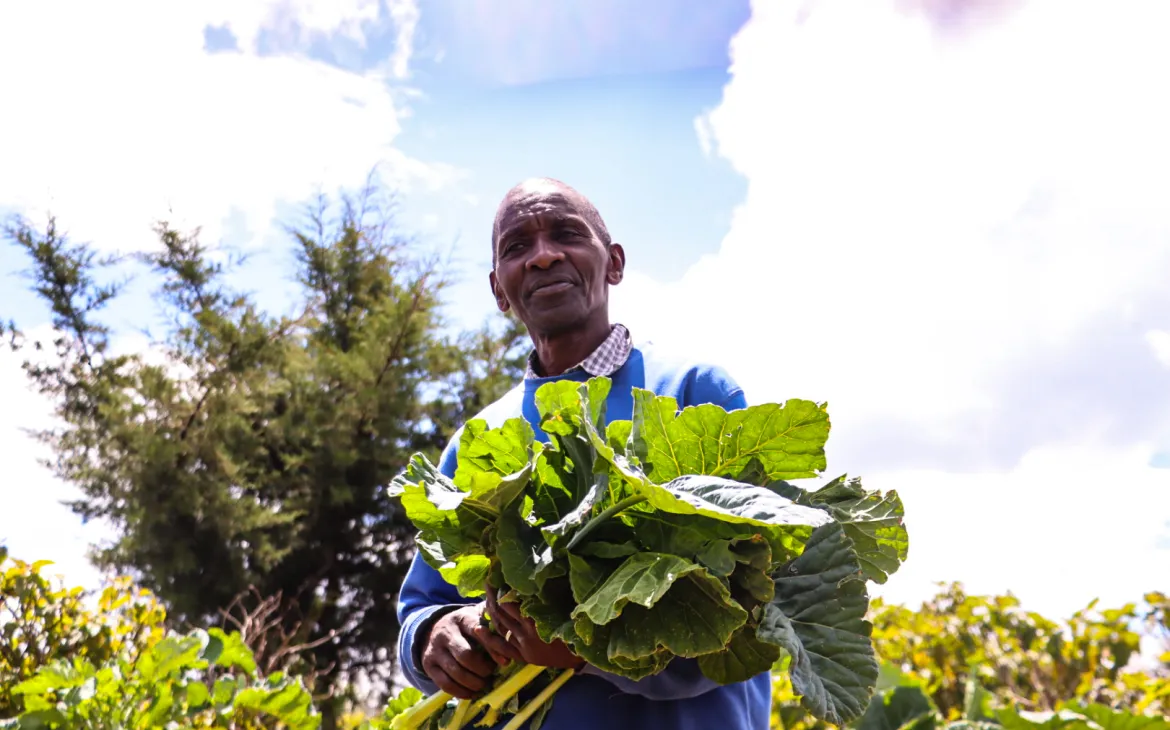
The trees that Joseph Mwaniki Njuguna has planted on his farm fulfil many roles at once: they sequester CO₂ and thus protect the climate, they ensure a better water supply and they provide their owner with additional income: ‘It’s as if money were growing on my farm’, says Njuguna, who lives in the hills above picturesque Lake Naivasha in Kenya’s Rift Valley.
«We need to understand what is threatening the ecosystems in a region and what this means for people and their livelihoods. This overall picture is crucial: only then can we work together to determine who needs to be involved and what measures we can take to benefit the climate, nature and people in the long term.»

Disastrous chain of effects
This example illustrates how closely intertwined climate, people and nature are. Along the Mkungi-Kitri stream, where Njuguna’s farm is located, residents used to cut down more and more trees to obtain firewood and timber. During the rainy season, the stripped-bare soil lost humus to the stream, which carried the sediment into Lake Naivasha. Whenever the Mkungi-Kitri became too murky, people could no longer draw drinking water from it. The deforested slopes retained less water, and during droughts the stream dried up completely. The most recent disaster: following an unusually long spell of rain in late 2025, Lake Naivasha – already filled with sediment – flooded farmland and homes.
(→ Read on from email) It is also a response to the frequent criticism levelled at climate projects that use isolated measures – such as large-scale afforestation – to sequester carbon and then sell this service at a profit to companies seeking to offset their CO₂-emissions. Scientific studies have shown that many project providers massively overestimate the climate impact of their projects. This harms climate protection because it overestimates impact, and it damages the reputation of the companies that purchase such carbon credits.
To achieve impact collectively
The Climate and Nature Collective offers companies and other funders the opportunity to invest collectively in projects that do not focus solely on climate impact and do not make promises they cannot keep. We are kicking off with four projects in Vietnam, Colombia, Ecuador and Kenya. They all sequester additional CO₂, but not at the expense of local people, as some projects have been accused of doing – for example, by allegedly restricting the local population’s rights of use in reforested areas.
Within the framework of the Voluntary Carbon Market (VCM), projects run by various providers generate so-called carbon credits. These are mainly purchased by companies which use them to offset part of their carbon emissions. Such projects aim to halt deforestation in a specific area, for example, or distribute more efficient cooking stoves to the local population to reduce the demand for wood and thus deforestation. However, this isolated approach to offsetting is viewed critically by the scientific community and some organisations, including WWF Switzerland. One reason for this is that studies have shown that the majority of such projects fall significantly short of the promised impact. Another reason is that some companies offset their emissions without significant effort by purchasing cheap carbon credits, rather than reducing their own emissions. Both approaches harm the climate and the reputation of these companies.
Based on the Paris Climate Agreement, WWF Switzerland has developed a guide that sets out the key elements of a credible climate strategy for companies: as a first step, companies should reduce their (direct) emissions and those (indirect) within their value chain, for example those of their suppliers. Furthermore, they should assign a price to their emissions that cannot yet be reduced, one that quantifies the costs of climate impacts. The funds generated in this way should be made available by companies outside their value chains for climate protection measures (so-called Beyond Value Chain Mitigation, or BVCM).
Since early 2026, WWF Switzerland’s Climate and Nature Collective has offered holistic climate protection projects for such contributions. The projects are designed to address the key criticisms of VCM. For instance, the additional CO₂ quantities sequestered through various measures or the protected and preserved natural carbon sinks are calculated very conservatively and presented with error margins that make the underlying uncertainties transparent. Companies are not permitted to use these CO₂ quantities to offset their own emissions. The projects are designed in collaboration with local communities and other relevant stakeholders to meet diverse needs and ensure that no rights are infringed. (See also the box on the quality characteristics of WWF projects.)
Comprehensive measures for the climate, people and nature
In the Mkungi-Kitri basin, various stakeholders – forestry authorities, the WWF, smallholder farming families and the Geta Community Forestry Association – have been seeking solutions to reforest deforested public land while enabling farmers, many of whom are landless, to earn a living. The families plant seedlings on public land and tend to them. In return, they are allowed to grow crops amongst the growing trees, provided that there is space for them. ‘People here have hardly any paid work,’ says David Njihia, chairman of the Geta Community Forest Association. ‘Our farming families grow potatoes and peas and are now earning a good income.’ Many landless families have even been able to buy plots of land.
Peter Kimiti owns a small plot of land on which he has planted over 1,000 trees. Their fallen leaves provide valuable fertiliser: ‘I never expected the foliage to compost so well. My vegetables grow much better with it.’ He disappears briefly and returns with a handful of carrots as proof – plump and bright orange. Farmer Margaret Wangare also recognises the positive effects of this so-called agroforestry, which the project promotes through training courses: ‘Conventional farming had depleted the soil. Today, the system is much more flexible, and I get more out of it.’ Maize, onions, oats and passion fruit now grow amongst the trees. This diversity not only makes her family’s diet more varied, but also saves on animal feed costs. Nature and the climate also benefit: the soil remains nutrient-rich, biodiversity is enhanced and the trees store carbon. ‘The trees have also alleviated the water problem’, says Forest Association head Njihia. ’The area’s watercourses no longer run dry, and carry less sediment after rainfall.’
Local relevance The projects should address the needs and challenges of the local population. Understanding the cultural and socio-economic context is crucial to ensure that interventions are socially and environmentally appropriate, generating long-term benefits for the climate, people and nature.
WWF pursues a landscape approach based on collaboration between various stakeholders in a region: together, they seek solutions to competing needs and define shared development goals that focus on human well-being and the long-term protection and conservation of nature.
Multi-stakeholder engagement For a project to be relevant, it is essential that the local population and other stakeholders are involved in its design from the outset and remain engaged throughout the implementation process via formal structures, such as multi-stakeholder committees. This is essential to safeguard the rights, needs and self-determination of local communities. The associated activities and processes are carefully documented.
Equity and fairness The benefits and services a project provides to a region must be distributed equitably and transparently among local stakeholder groups, with particular emphasis on ensuring that indigenous peoples, local communities, women and disadvantaged groups benefit. People who provide services or accept restrictions as part of the project should be compensated in an appropriate manner (either monetary or non-monetary). Transparent communication and access to project information are further components of this quality principle.
Learning and capacity building The project must ensure that local institutions or other stakeholder groups have the capability to carry out key project activities independently in the long term. Lessons learnt from other projects, scientific findings and local experience must guide planning and implementation.
This interplay between climate impact, ecological benefits and positive effects for the local population lie at the heart of the Climate and Nature Collective. Sam Okuku from WWF Kenya explains: ‘We must ensure that people benefit from the trees in the forest in the long term. Otherwise, they will be the first thing to be sold off when families find themselves in need.’ Even though this is not permitted, it has happened in difficult times. Together with the community, WWF has therefore identified what additional support might be useful to improve families’ incomes: for example, small biogas plants, water tanks, livestock or courses in agricultural techniques. A community-led process with fair criteria determines who benefits from which measure. Involving local people in planning and decision-making is one of the fundamental principles of WWF projects.
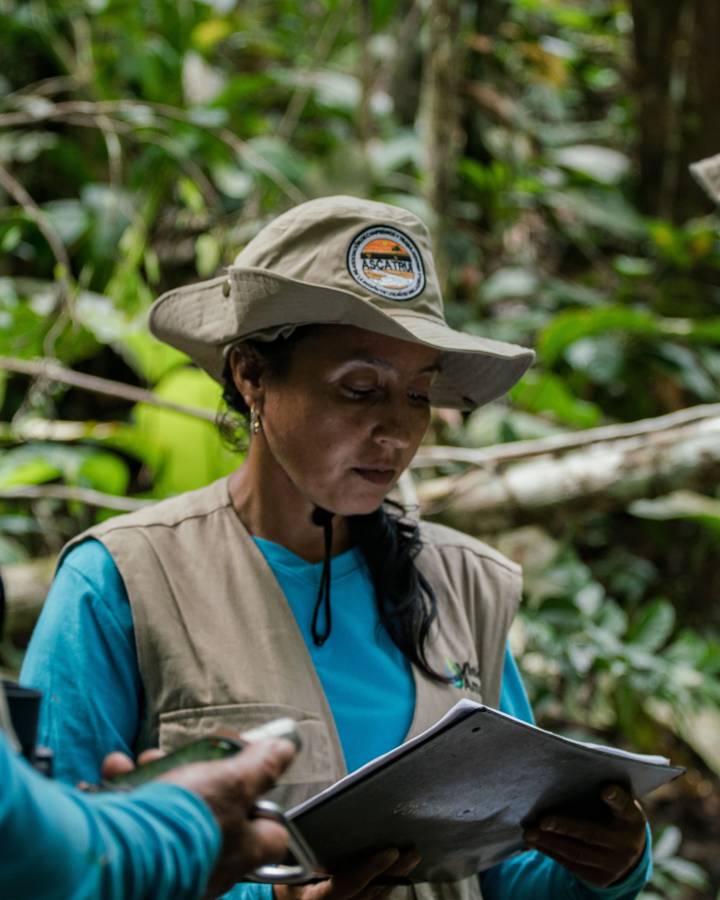
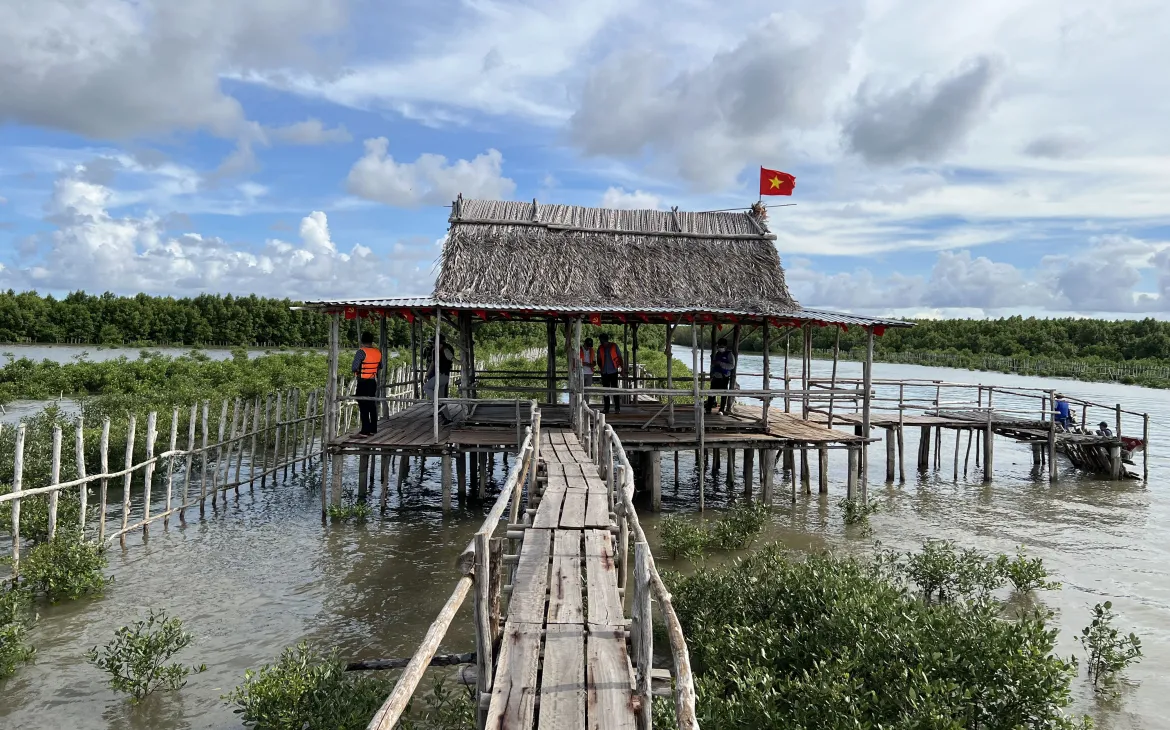
In addition to the project at Lake Naivasha, the Climate and Nature Collective’s portfolio includes projects in the Mekong Delta in Vietnam, the Colombian Amazon and the Ecuadorian Andes. Their launch was made possible thanks to the commitment of our long-standing corporate partner, Coop. All four projects can be rapidly expanded with further contributions, and the design of new projects is also possible. An invitation to companies, foundations and other donors with a pioneering spirit to achieve impact to the power of three: for the climate, people and nature.
Questions or suggestions about the Climate and Nature Collective?
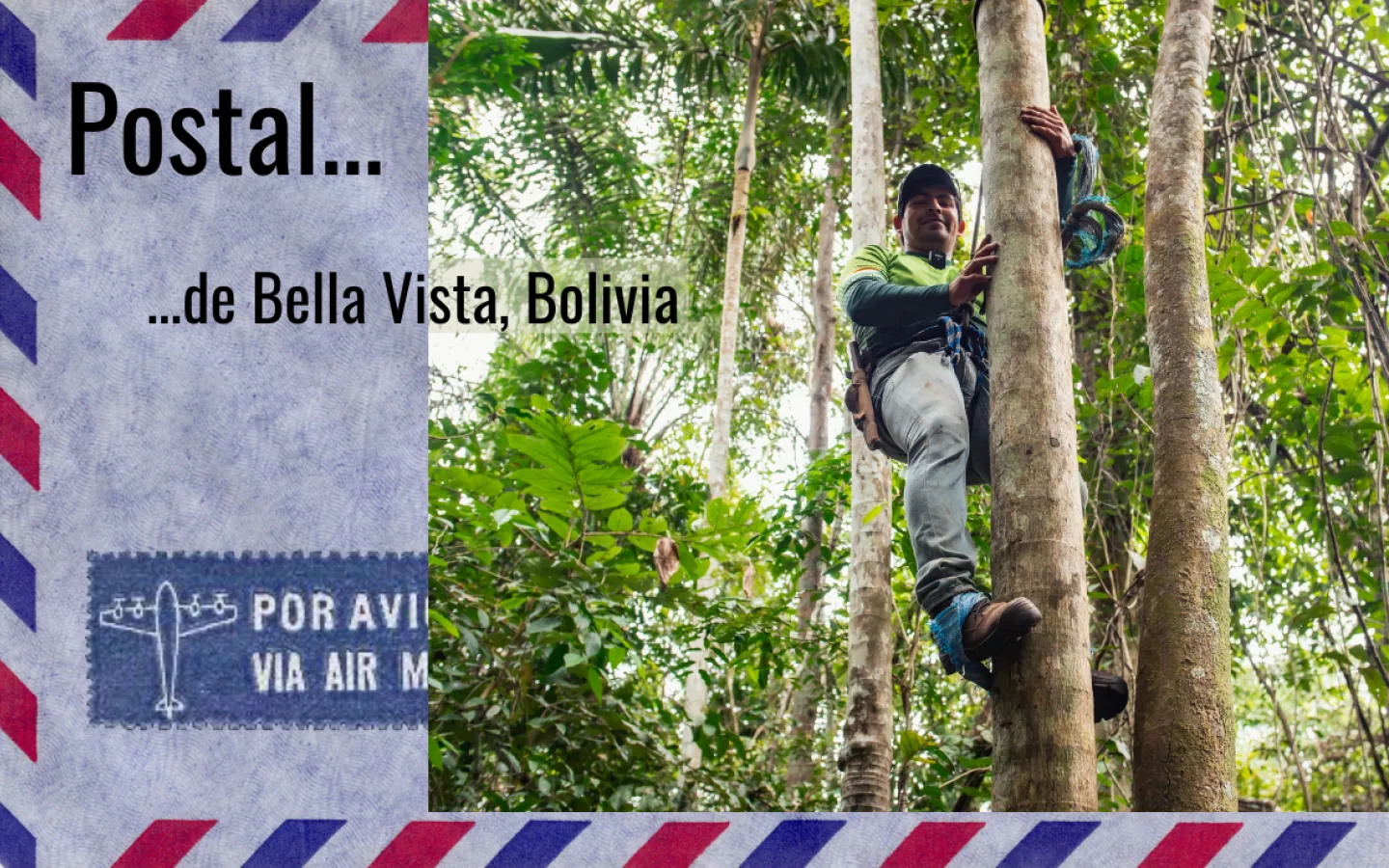
Jesús Justiniano on his way up to the açai berries.
Açaí – Fruity greetings from the Bolivian Forest
My name is Jesús Justiniano. I am a farmer and a collector of açaí and Brazil nuts, as well as a welder. I live in the local community of Bella Vista, on the banks of the Rio San Martín, within the Iténez Departmental Park in the Bolivian Amazon. Here, the forest is more than just a landscape – it is our home, our market, and our history. Everything we are is connected to it. Between April and August, when the açaí harvest begins, the rhythm of the community changes. We know this is the time to work hard, but also to make the most of what nature offers us.
My harvesting days begin very early, before sunrise. The air is fresh, and the forest is still quiet. We set out in groups, walking along paths we have known since childhood. To get to the forest, we cross Rio San Martín and sometimes a second river to go even deeper into the forest. This is where the açaí palms (Euterpe precatoria) grow. Açaí palms are not cultivated here as in some other areas – here, the palm is native to the forest, it belongs here, and we harvest it directly from nature.
These palms are tall and slender, some reaching up to 30 meters. Climbing them requires practice, strength, and focus. Helped by a loop of rope around our feet, we slowly make our way up, feeling our body adapt to the movement. From above, the view is impressive: a green sea that seems endless.
Once you know the forest, açaí palms are easy to recognise. There are other palms that look similar, like the pachiúba, but they differ in their roots and leaves. Açaí leaves are shinier and denser. When the fruit is ready, the panicles turn a deep purple. To know if it is ripe, we also look at the ground: fallen fruits near the trunk or the cluster leaning downward are signs that the fruits are ready to harvest.
When we find ripe panicles, we carefully cut them so as not to damage the palm. We know that this determines whether it will bear fruit again the following year. Then we climb down with the fruit, gather the panicles on the ground, and begin extracting the fruits.
During peak season, everything depends on the ‘climbers’, the people who climb the açaí palms. In my case, I can climb about six palms a day, and sometimes each one has two or three panicles. This takes about four hours of work, including walking time. The season lasts about three months, and there is work available throughout that time.
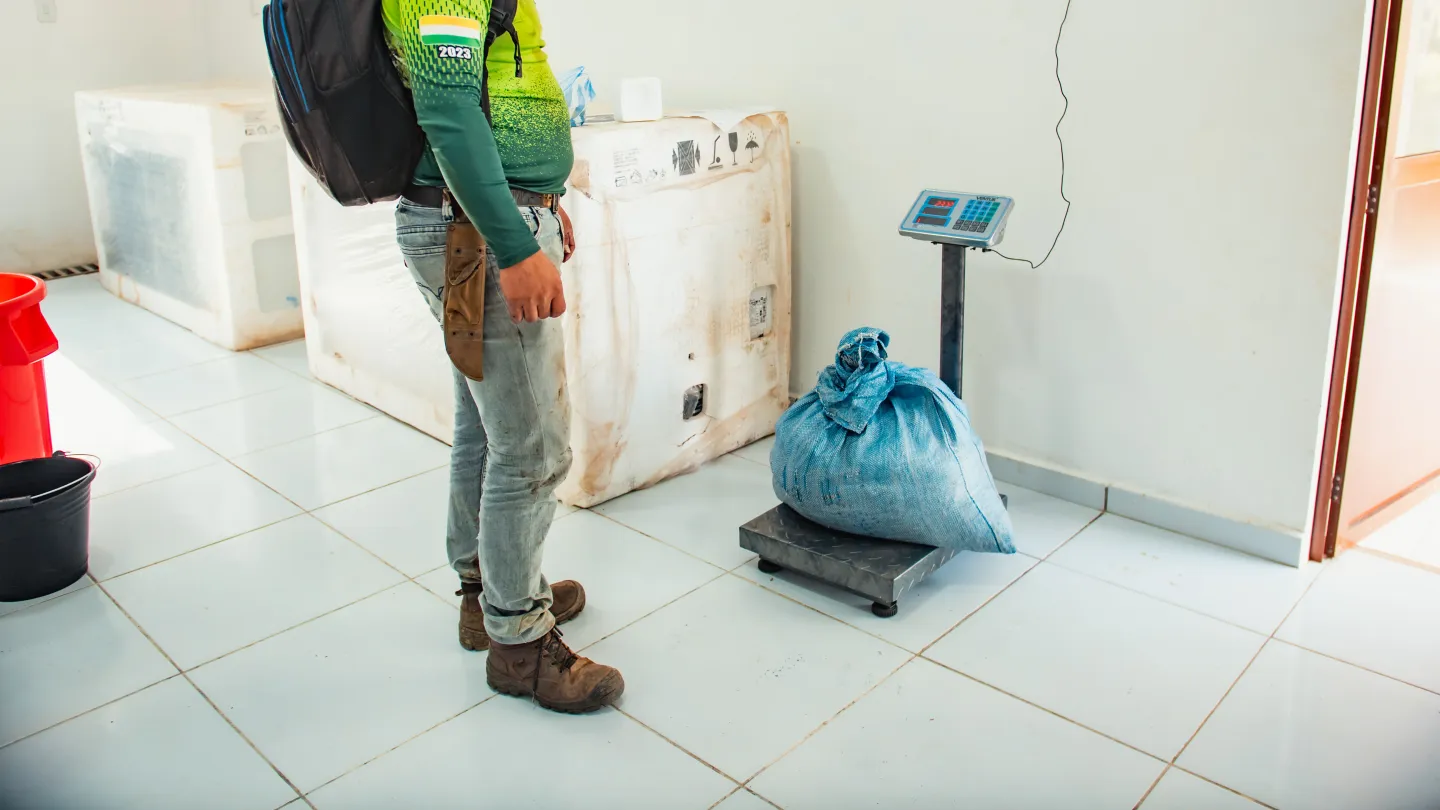
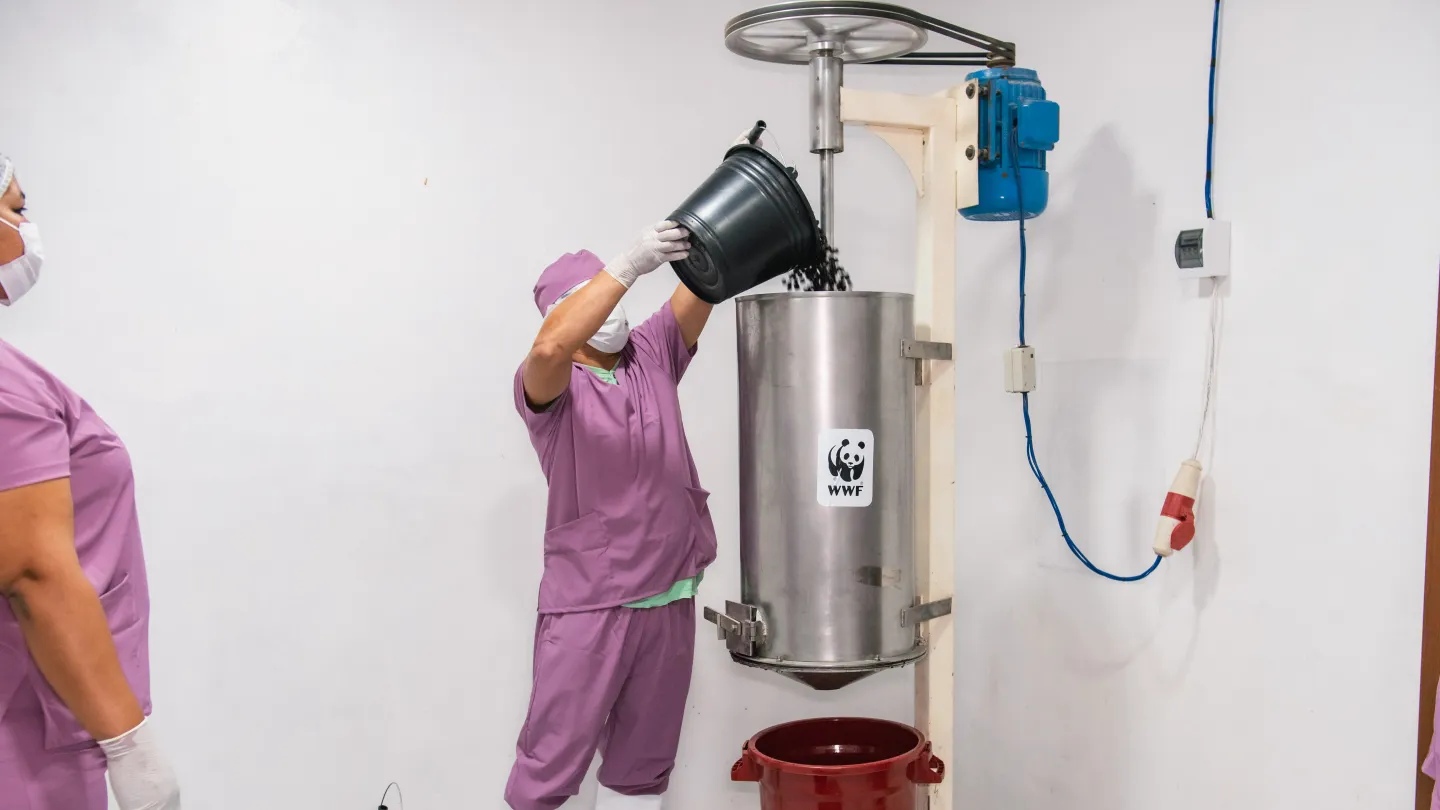
At home, we consume the fruit as juice to give us energy to keep working. It is part of our culture and our tradition, and it is something we share as a family. After the harvest, we take the fruit to the community collection point, where we clean and sort it. There, we also make what we call artisanal açaí milk. Later, the fruit is processed in a small factory and then sold on the market.
The Iténez Protected Area in the Bolivian Amazon lies directly on the Brazilian border. Compared to many of the neighbouring regions, the forest and the ecosystems in Iténez Park remain largely intact. However, the area is currently barely managed or monitored due to a lack of funds and political support. This endangers the preservation of the forest and its products – and thus the survival of its inhabitants.
The ‘Fruits of the Rainforest’ project aims to restore protection of Iténez Park in collaboration with the local population and the authorities. The WWF is helping around 250 families to increase their income from the sale of wild cocoa and to market the açaí berry as a new source of income. The village communities are receiving training in tourism so that they can expand the ecotourism on the Iténez River. Fishing tourism forms the cornerstone of the sustainable financing of park monitoring: a new tourism levy will fund conservation and management activities in Iténez Park.
In future, local communities will be at the heart of environmental protection, says José Argandoña of WWF Bolivia: ‘The people who live here value nature and its resources above all else and want to preserve them in the long term, because they benefit from them and want it to stay that way.’
Many families in our association benefit from the harvest and processing of the açaí fruit. There are about 40 of us, and this work provides vital support for everyone. The pulping plant buys the fruit that we harvest from the forest, giving us greater security and a more stable source of income. In addition, the plant requires large quantities of fruit for processing, creating more sales opportunities and, therefore, higher income for us.
Today, thanks to our collaboration with WWF-Bolivia, we have learned to manage the açaí sustainably, for example cutting the fruits without harming the plant, so that it keeps producing the following year. We have also improved our organisation as a community. We now better understand the value of our work and the product we offer. The açaí we collect here are transported to the cities of Santa Cruz and Cochabamba, and it even is exported to the United States – but it always carries with it the efforts and the stories of our families.
For me, the açaí mean many things. It means being able to stay in my community and work alongside my family, rather than having to migrate to the city in search of opportunities. It also means taking responsibility, because we know that if we do not take care of the forest, all of this could disappear.
Not everything is easy. There are days when the heat is very intense, or when heavy rain prevents us from moving forward as quickly as we would like. Climbing the palms is tiring, and we have to be careful not to get hurt. But even in those moments, you feel that this work has meaning. We are not destroying; we are making respectful use of what the forest provides.
What I like most is being in the forest. I love listening to the birds, feeling the wind through the trees and watching how the light changes throughout the day. It is hard work, yes, but it is also a way of life that connects us with nature.
Today, we see that conserving the forest can also be a way of living better. That it is possible to earn a living without destroying what we have. This gives us hope – hope that our children can continue to live here and do the same, but with more opportunities and better conditions.
Recorded by Fernanda Gutiérrez, communication specialist WWF Bolivia
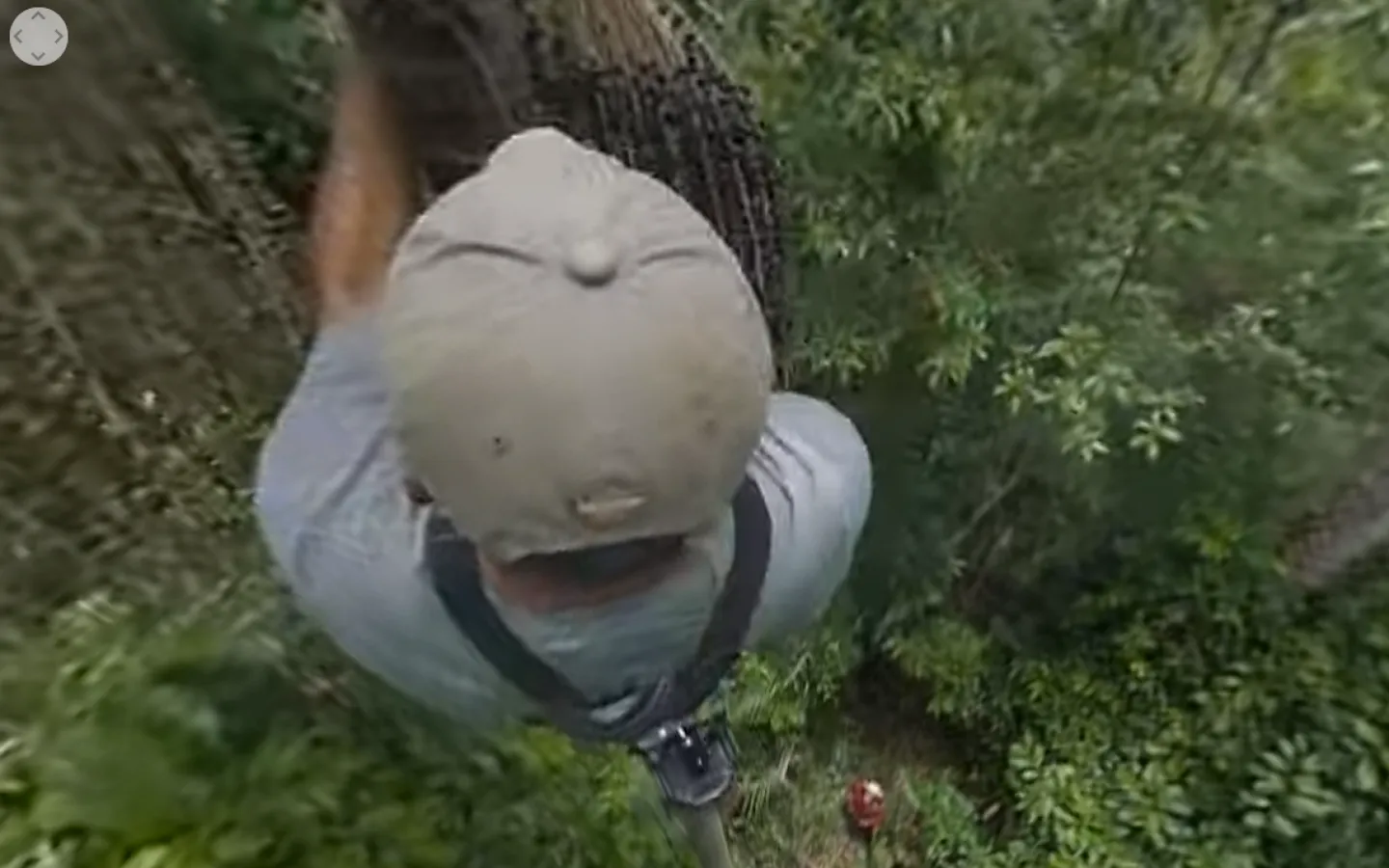
Climbing palm trees with an açai harvester: 360°-video by WWF Bolivia on Youtube. The direction of view can be changed by clicking on the video and dragging the mouse marker. The view facing down is particularly impressive.
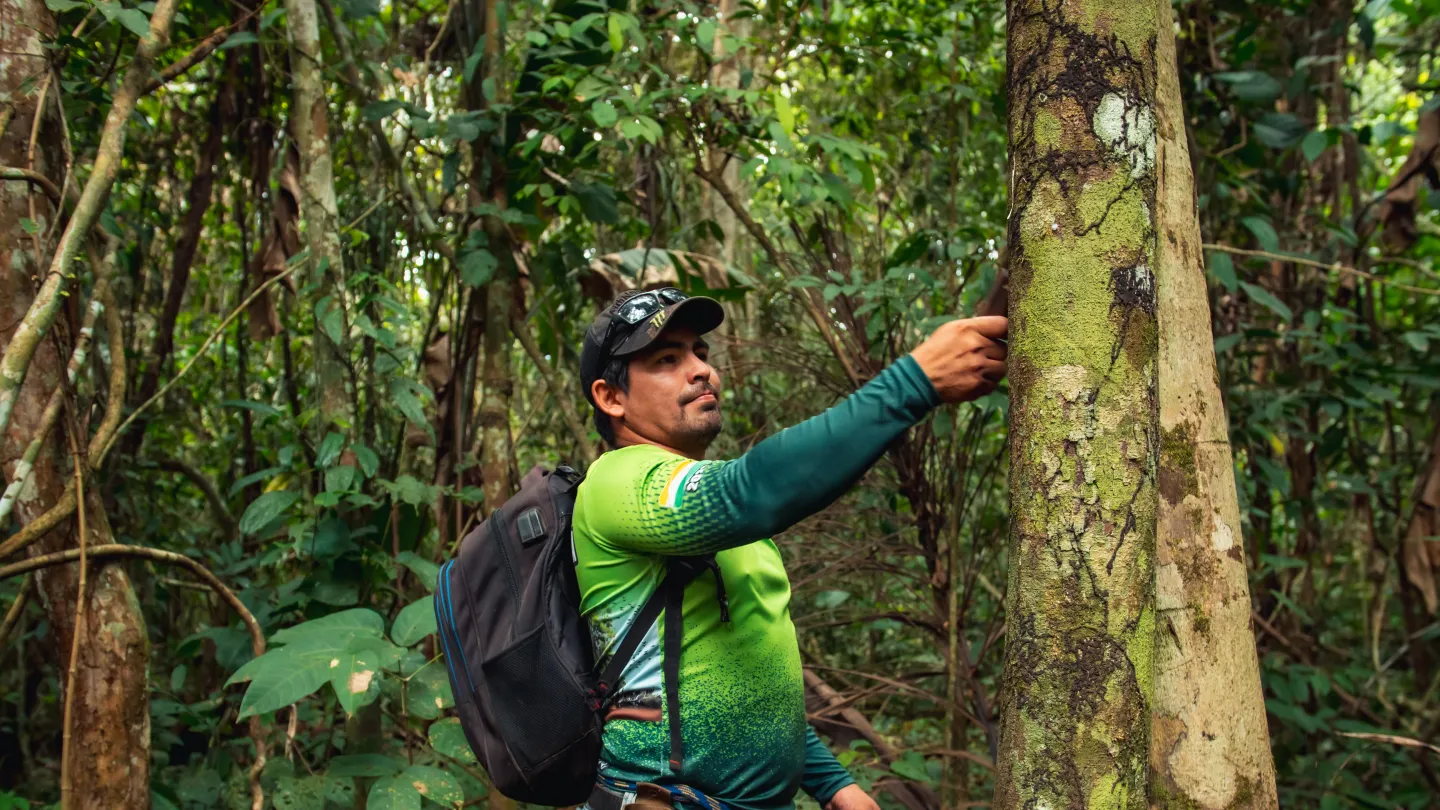
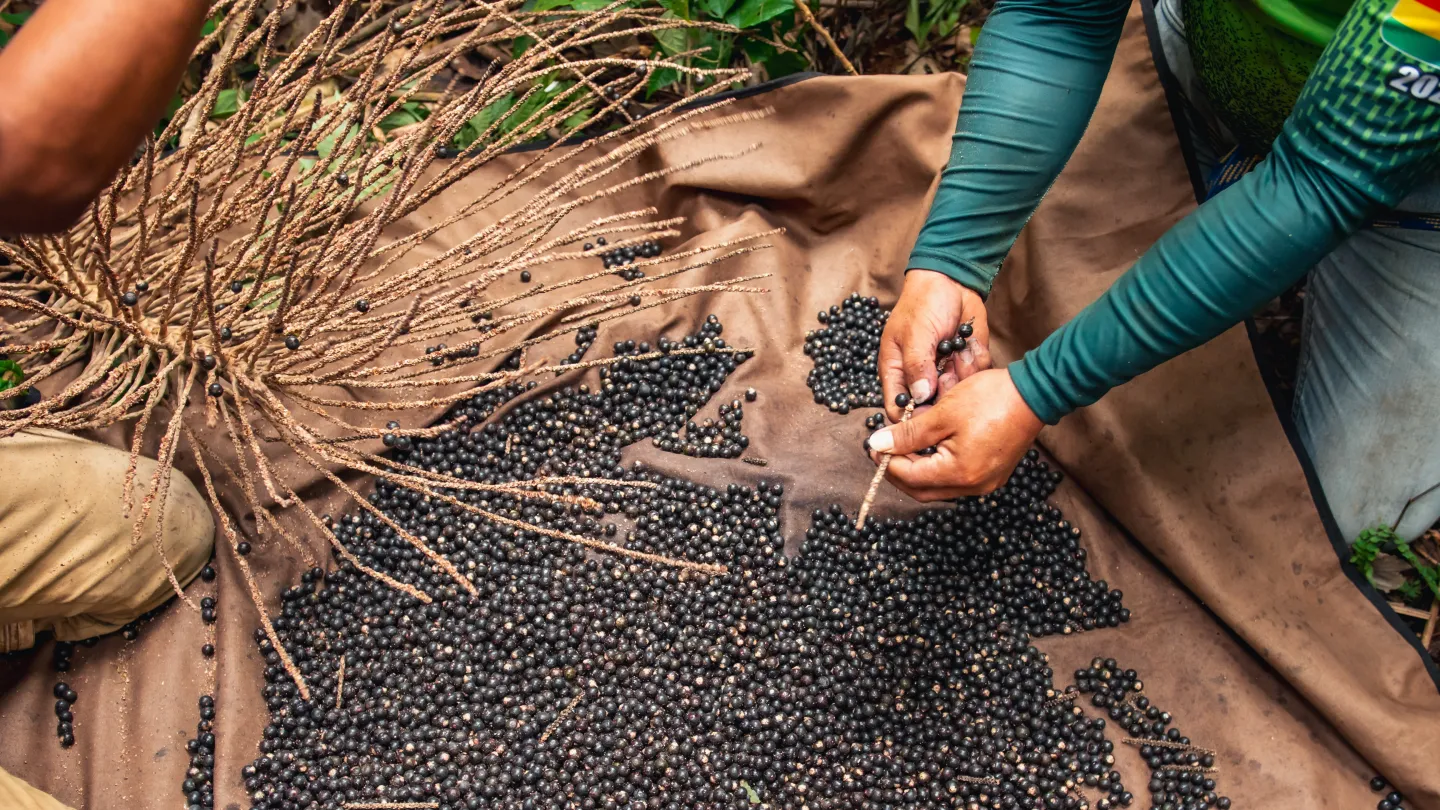
The international programme of WWF Switzerland is supported by a core contribution from the Swiss Agency for Development and Cooperation (SDC), Federal Department of Foreign Affairs (FDFA).
Have your say
How do you like our newsletter?
What would you like to see changed?
What would you like to read or discuss?
Send an mail to the editor of the newsletter
Imprint: Global Network Development (GND), WWF Switzerland
Editor: Thomas Häusler
