Partnership with SV (Schweiz) AG 2025
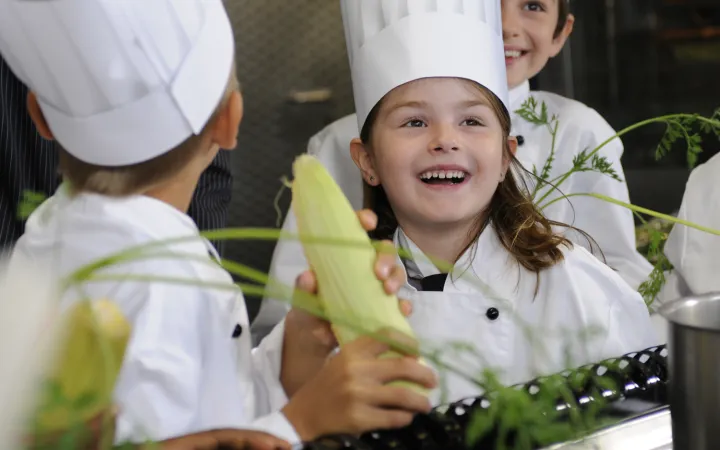
Since 2013, SV Switzerland has been committed to greater sustainability in community catering together with WWF. Together, we strive for a future where, by 2050, food is healthy for both people and the planet—united by enjoyable experiences that inspire and connect us.

Related Topics:
Corporate Partnership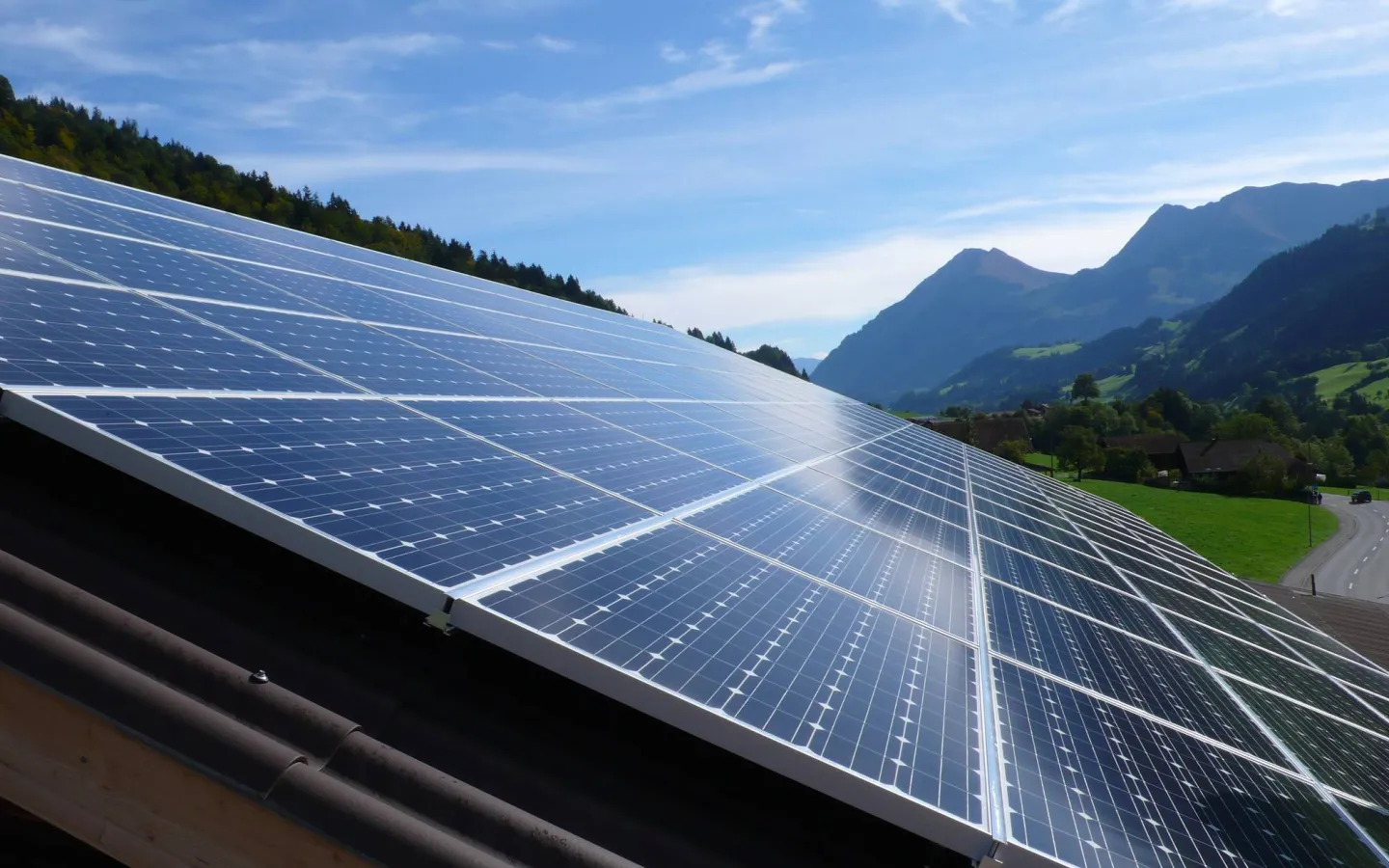
CLIMATE AND ENERGY
Emission Reduction
SV Switzerland has joined the Science Based Targets Initiative (SBTi) and set science-based reduction targets to help limit global warming to 1.5°C by 2050.
The targets, in accordance with SBTi requirements, cover emissions in Scopes 1–3. Emissions arising from agricultural practices and land use change (so-called FLAG emissions, FLAG = Forest, Land and Agriculture) are subject to a separate target according to the guidelines.
Three emission reduction targets by 2030, compared to the base year 2022:
1. Goal: Reduction of Scope 1 and 2 emissions by 42%
In 2025, SV increased these emissions by 25.7% compared to 2022.
Note: The baseline year 2022 was still marked by reduced business activity due to COVID-19, which meant that emissions were significantly lower than in a normal operating year. The increase in Scope 2 emissions in 2025 is attributable to the expansion of the hotel portfolio in Germany. During the reporting year, six hotels were acquired during the year and one additional hotel was opened, which led to higher electricity consumption. For the German hotel locations, a full switch to electricity from renewable sources is planned from 2026. Further planned measures (Scope 1 and 2) include the ongoing transition of the vehicle fleet to electric vehicles by 2030, as well as the development of measures to optimise heating and cooling systems, planned from 2026.
2. Goal: Reduction of Scope 3 emissions by 51.6% per guest
In 2025, SV succeeded in reducing these emissions by 3.0% compared to 2022.
Note: The emissions intensity of Scope 3 emissions per guest increased slightly compared with the previous year. The main drivers are higher emissions from fuel- and energy-related activities (Scope 3.3) as well as from waste (Scope 3.5), particularly driven by the new hotel portfolio mentioned above. Emissions from purchased goods and services (Scope 3.1) decreased compared with the previous year due to a lower number of guests.
3. Goal: Reduction of Scope 3 FLAG emissions by 30.3%
In 2025, SV increased these emissions by 12.8% compared to 2022.
Scope 3-FLAG-Emissionen
SV climate strategy
By the end of 2025, WWF and SV Switzerland will jointly develop a strategy (within and beyond the value chain, see notes) and an action plan to achieve SV Switzerland’s climate targets. The following focus topics will be considered: Inventory & Reporting, Measures & Implementation, SBTi Compliance, Climate Finance, Climate Advocacy, Climate Communication.
In 2025, the milestone was delayed due to personnel changes in the sustainability team. An initial climate strategy was developed by the end of 2025. Initial measures, including the transition of the vehicle fleet, the procurement of renewable electricity (Hotel DE), and the nationwide rollout of the ECO-SCORE, are already being implemented. With the start of the new Sustainability Manager in March 2026, the work will be continued and further specified.
Note: This strategy encompasses both climate engagement within SV’s own value chains (own decarbonization) and broader engagement beyond its own value chains.
Deforestation & Conversion
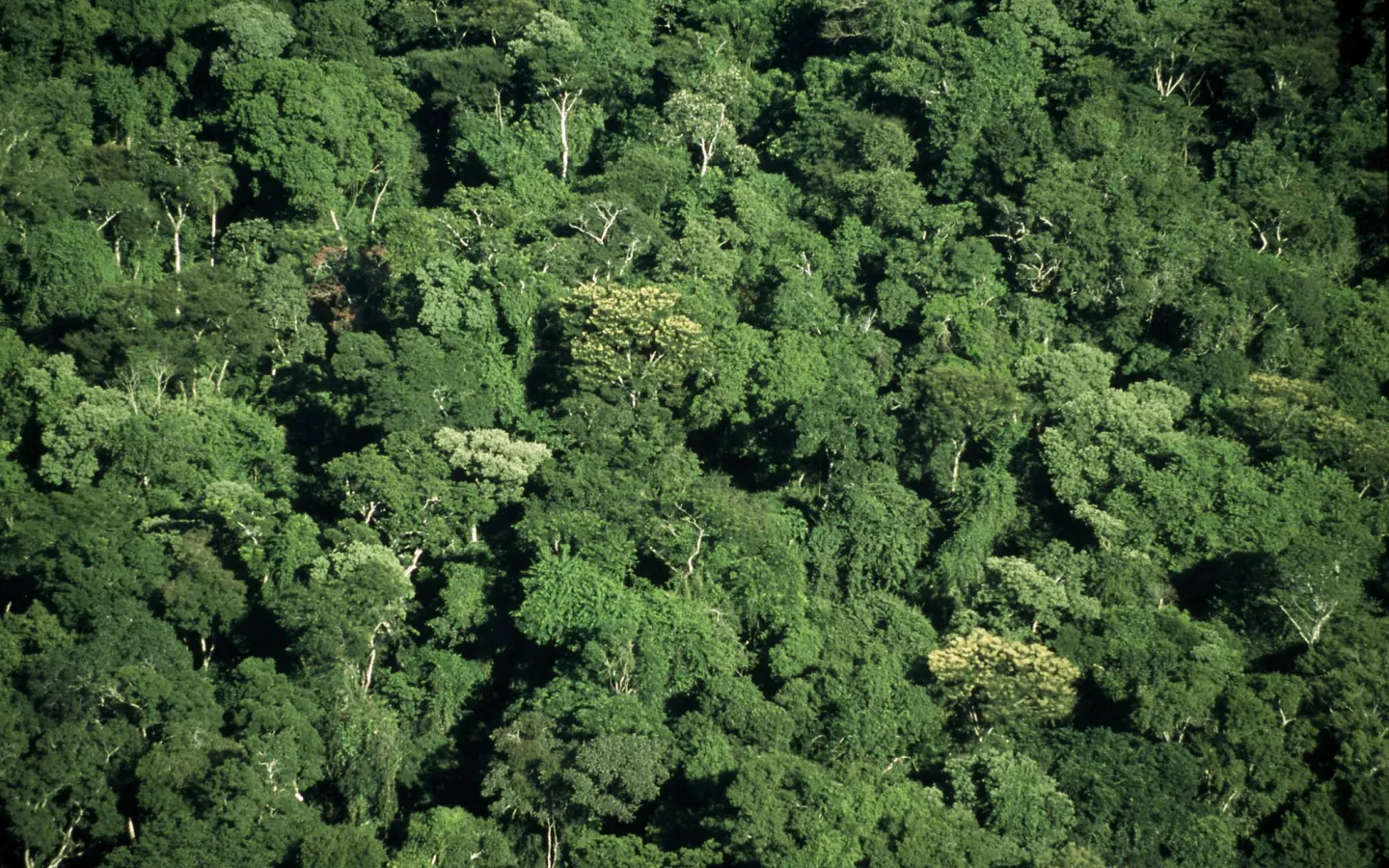
SV Switzerland is analyzing its supply chains and will, by the end of 2024, develop a commitment and target — compliant with the Accountability Framework Initiative — for deforestation- and conversion-free supply chains for identified key risk raw materials such as soy, palm oil, cocoa, wood, pulp and paper, coffee, meat, covering all 12 core principles.
The planned DCfree analysis could not be completed in 2025 as originally intended due to personnel changes in SV’s sustainability team and is now scheduled to be carried out in 2026. On this basis, further measures and targets for the supply chain will be defined.
Sustainable Diets
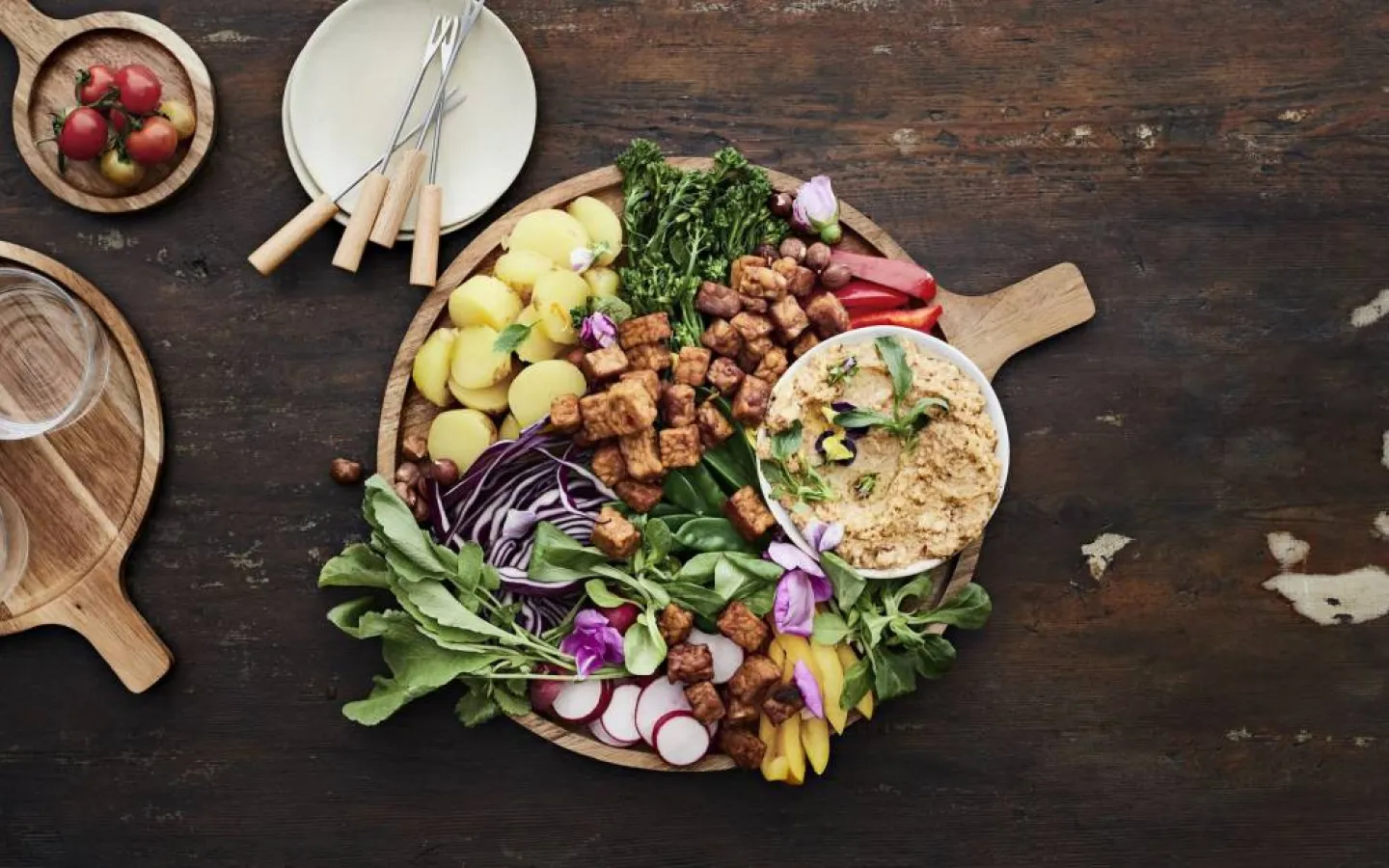
SV Switzerland will measure its protein split, by the end of 2024, using a method developed with WWF for the culinary sector and, together with WWF, set an ambitious target.
The initial evaluation of the protein split has been carried out. On this basis, target values are to be defined in 2026.
Note: This target has been extended to 2026 because the underlying WWF methodology was made available later than planned due to a lack of funding.
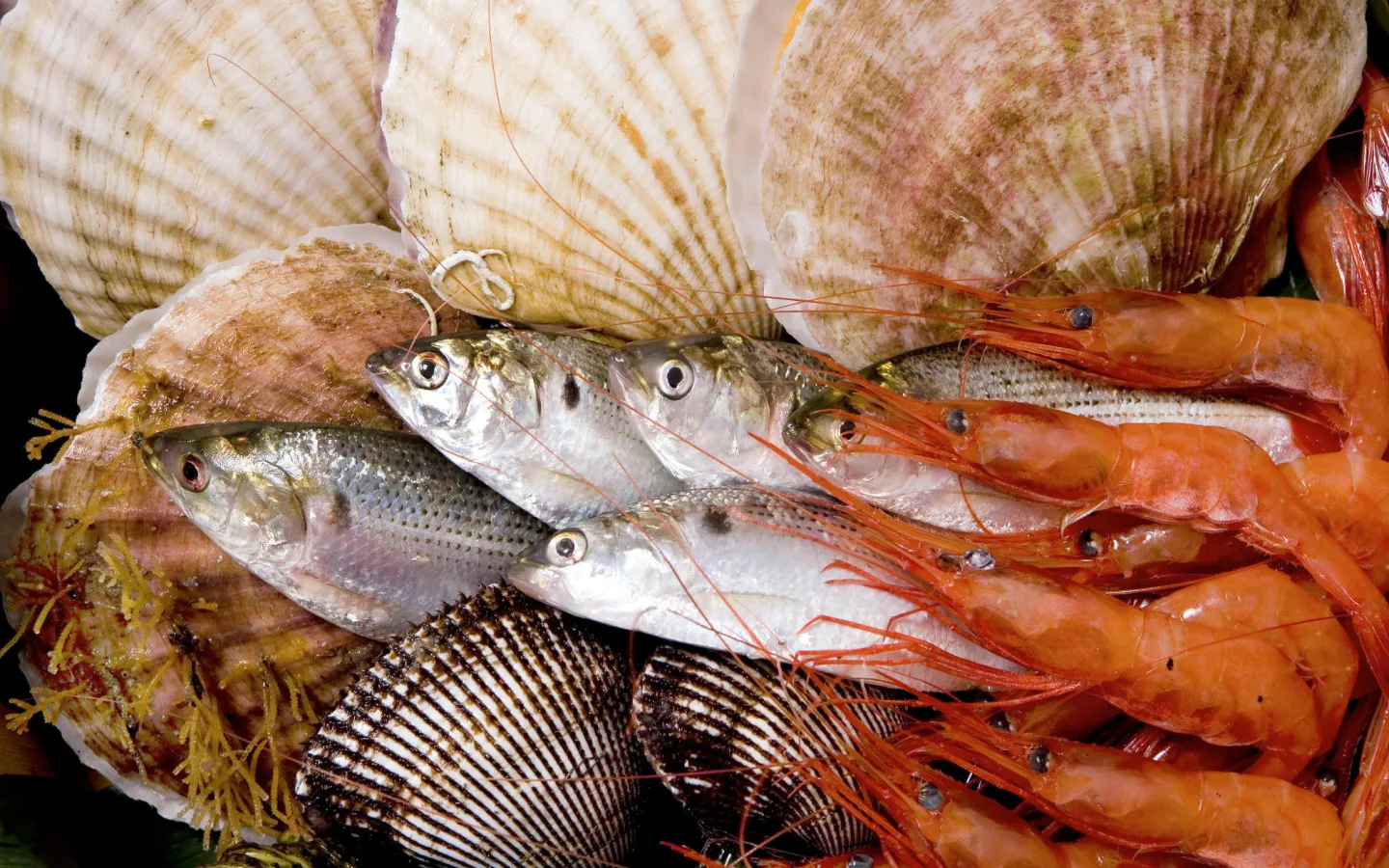
FISH AND SEAFOOD
To promote biodiversity, SV Switzerland has been committed since 2019 to continuously increase the share of fish from recommended or acceptable sources according to WWF.
For this, SV Switzerland has set three targets to be achieved by the end of 2026:
Avoidance of species on the WWF No-Go List and WWF Score 4–5 (red category in the WWF Fish and Seafood Guide
In 2025, the share of the total range of fish and seafood from recommended and acceptable sources increased from 99.0% (in 2023) to 99.5%.
Notes:
WWF No-Go List:
- Excluded are species listed as “critically endangered” (CR) or “endangered” (EN) on the IUCN Red List of Threatened Species.
- All species of sharks and shark products,
- All species of sea turtles and sea turtle products,
- All marine mammals and products thereof,
- All wild-caught sturgeon and products thereof,
- All rays and sawfish and products thereof,
- Exclusion of all products from illegal fishing.
Recommended sources = sources rated “green” (WWF Score 1–2) in the WWF Fish and Seafood Guide and from trusted eco-labels (Organic, ASC, MSC).
Further increase in the share of recommended sources according to WWF in the total seafood assortment, which should reach 90% by the end of 2026.
Compared to 2024 (82.03%), this share slightly rose to 82.9% in 2025, which — based on a linear reduction — is below the annual target and requires more effective implementation to reach the goal in the coming years.
Beyond Certification: Handling High-Risk MSC Sources
To further reduce environmental risks associated with seafood sourcing, SV is extending its efforts beyond certification by adopting a more selective sourcing approach for its MSC range. SV and WWF will jointly assess the environmental risks within the SV range of MSC-certified sources and work with SV suppliers to identify opportunities for more selective sourcing (MSC+). Progress on MSC+ will be communicated collaboratively to increase awareness in the industry and strengthen engagement across the supply chain.
In 2024, SV’s range of MSC sources was assessed to identify products with high environmental risk. Concerns include the impacts of bottom trawling and dredging, such as damage to the seabed and bycatch of vulnerable or threatened species. In 2025, efforts focused on priority species groups identified based on purchasing volume and/or risk, with the aim of switching to sources with lower impacts. Discussions with the supplier Bianchi are ongoing to assess suitable opportunities for a transition within the existing procurement framework.
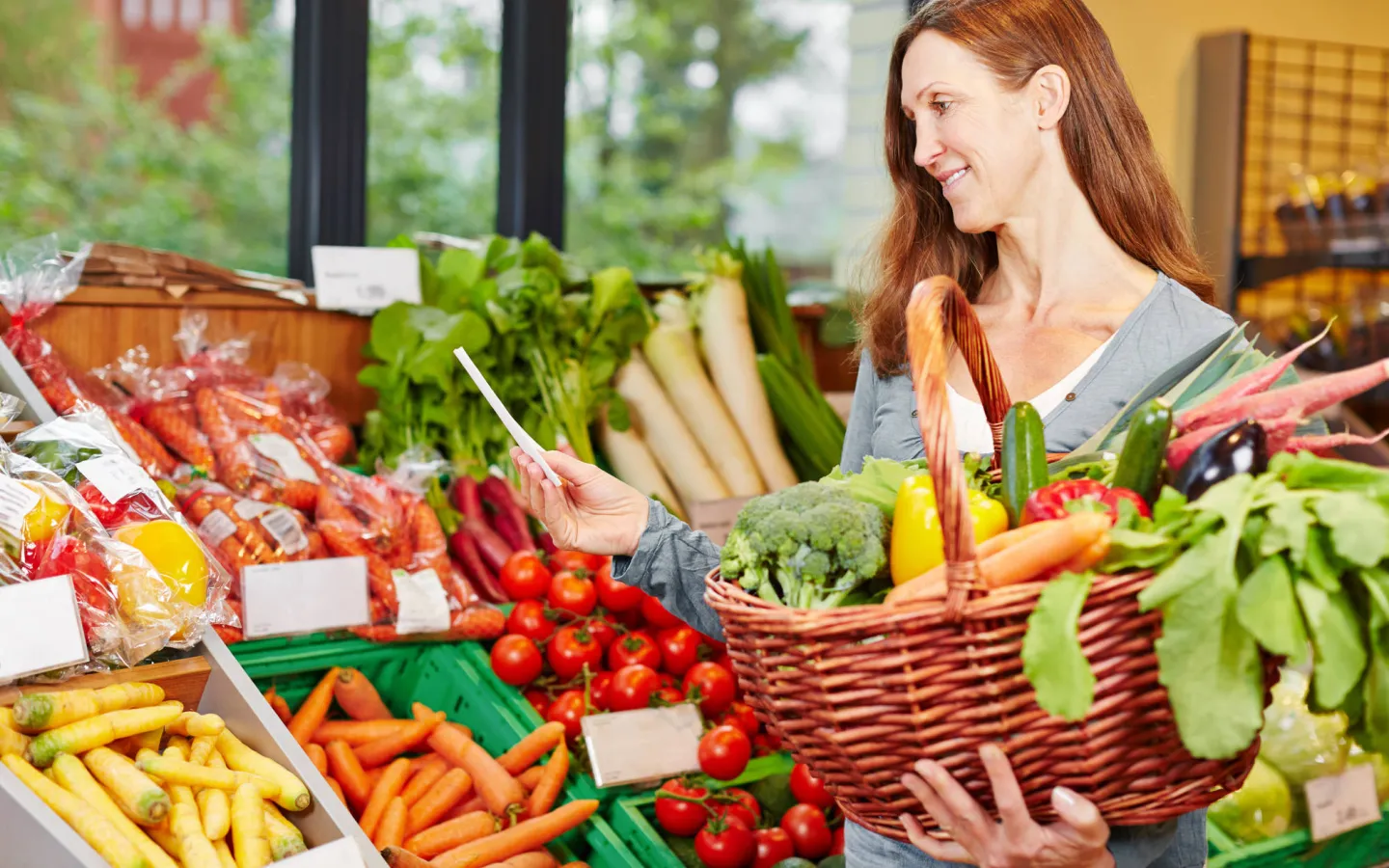
BIODIVERSITY
SV Switzerland promotes biodiversity by increasing the share of labeled products in their food assortment.
Promoting Biodiversity through Labels
SV aims, by the end of 2026, to expand the share of at least recommended labeled products (according to labelinfo.ch) in the total assortment to 20%. Fish and seafood purchases are not included in this, as separate goals have been set for seafood.
In 2025, SV reached a label share of 16.4%, a reduction of 6.8% compared to the year before.
Note:
The main reasons for the low label share are supply shortages of IP-SUISSE oat milk, IP-SUISSE baked goods from Bertschi, and oven-roasted turkey ham in IP-SUISSE quality.